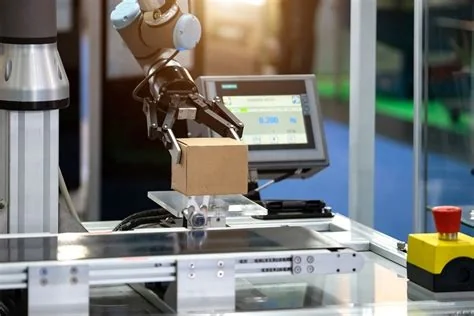
South Korea’s Economy Deputy Governor has unveiled the nation’s first AI factory, a government‑backed hub that open‑sources high‑efficiency AI models on general‑purpose infrastructure. The initiative aligns with the newly enacted AI Basic Act, aiming to democratize access to advanced AI while ensuring compliance with strict transparency and safety standards, and fostering responsible innovation across sectors such as semiconductor design, healthcare, and finance.
AI Factory Concept and Goals
Open‑Source Model Hub
The AI factory serves as a national repository of pre‑trained, high‑performance models that can be accessed by domestic firms at low cost. By providing ready‑to‑use AI tools, the hub reduces the need for costly proprietary development and accelerates adoption across multiple industries.
Trusted Ecosystem for Innovation
Combining open‑source accessibility with the safeguards of the AI Basic Act creates a trusted environment where companies can innovate responsibly. The framework ensures that all deployed models meet transparency, security, and ethical standards.
Key Provisions of the AI Basic Act
Transparency and Watermarking Requirements
All generative AI outputs must include clear watermarks and disclosures, allowing users to identify AI‑generated content instantly.
Classification of High‑Impact AI Systems
AI applications in critical sectors—such as finance, healthcare, energy, transportation, and education—are designated as “high‑impact” and subject to additional oversight and testing.
Penalties and Enforcement Approach
Non‑compliance can result in fines up to KRW 30 million. A one‑year grace period focuses on guidance and capacity building before full enforcement begins.
Impact on Domestic Industries
Benefits for Start‑ups and SMEs
Open‑source models lower entry barriers, enabling smaller companies to integrate advanced AI without large upfront investments. This reduces compliance costs and speeds time‑to‑market.
Sector‑Specific Opportunities
- Semiconductor design: AI‑driven optimization tools enhance chip performance and reduce development cycles.
- Healthcare: Predictive analytics and diagnostic models improve patient outcomes while adhering to privacy regulations.
- Finance: Automated risk assessment models meet stringent transparency standards.
Economic Significance of the AI Initiative
Boosting Growth Amid Economic Challenges
Amid a recent slowdown in overall economic activity, the AI factory is positioned as a catalyst for recovery, leveraging the global AI boom to stimulate domestic investment and job creation.
Leveraging Korea’s Semiconductor Strength
South Korea’s established semiconductor ecosystem provides a solid foundation for AI hardware acceleration, enhancing the performance of open‑source models and attracting international partnerships.
Future Roadmap for the AI Factory
Expansion Plans and Certification
Upcoming phases will enlarge the model repository, introduce industry‑wide certification processes, and ensure continuous alignment with evolving regulatory standards.
Collaboration Between Academia and Industry
Strategic partnerships with universities and research institutes will drive innovation, foster talent development, and maintain the AI factory’s position at the forefront of responsible AI advancement.