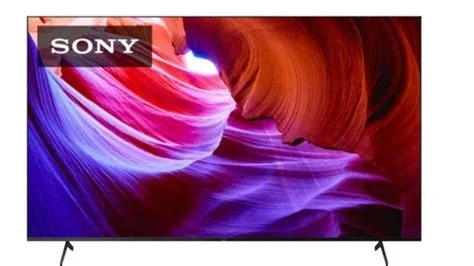
Sony and TCL have agreed to form a joint venture that gives TCL a 51 percent controlling stake in Sony’s Bravia TV and home‑audio business, with Sony retaining 49 percent. The new entity will combine Sony’s premium design, engineering and brand with TCL’s manufacturing scale, and is slated to start operations in April 2027 pending regulatory approval.
Background of Sony Bravia and TCL
Sony Bravia’s Market Challenges
Since its launch in 2005, Sony’s Bravia line has been a flagship premium offering, competing with Samsung and LG. Over the past decade, the TV market has shifted toward price‑driven competition, and Chinese manufacturers such as TCL have captured significant share through lower‑cost production and rapid product cycles. This pressure has reduced Bravia’s contribution to Sony’s overall revenue.
TCL’s Growth and Premium Ambitions
TCL has become one of the world’s largest TV manufacturers by leveraging scale, efficient supply chains, and a broad portfolio ranging from budget to mid‑range models. The partnership with Sony provides TCL direct access to the premium segment, allowing it to capitalize on Sony’s brand equity, research and development expertise, and advanced picture‑processing technologies.
Joint Venture Structure
Ownership and Governance
The memorandum of understanding outlines a 51 percent ownership for TCL and a 49 percent stake for Sony. Both parties will define governance structures in forthcoming binding agreements, ensuring that Sony retains influence over the Bravia brand and associated technologies while TCL assumes operational control.
Combined Assets and Capabilities
The new venture will merge Sony’s TV and home‑audio assets—including design, engineering, software, and the Bravia brand—with TCL’s manufacturing capacity, global distribution networks, and cost‑optimization expertise. This synergy aims to deliver premium products at more competitive prices.
Market Implications
Competitive Landscape
By uniting Sony’s premium branding with TCL’s scale, the joint venture could challenge Samsung and LG across both high‑end and mass‑market segments. The combined entity is positioned to leverage advanced technologies while benefiting from economies of scale, potentially reshaping global TV market dynamics.
Consumer Impact
Consumers can expect the continuity of the Bravia brand alongside potentially lower pricing, as TCL’s manufacturing efficiencies are passed through to the final product. Sony’s retained stake also suggests ongoing support for product development, software integration, and after‑sales service, mitigating concerns about brand dilution.
Strategic Rationale
Sony’s Focus on High‑Margin Segments
Sony aims to concentrate resources on higher‑margin growth areas such as PlayStation gaming, imaging sensors, and entertainment content. Offloading the capital‑intensive TV and audio business allows Sony to reallocate investment while still benefiting from upside potential through its minority stake.
TCL’s Path to the Premium Market
For TCL, the joint venture accelerates entry into the premium segment, where brand perception and advanced technologies are critical. Access to Sony’s R&D pipelines—including picture‑processing algorithms, acoustic innovations, and AI‑driven features—enhances TCL’s product portfolio beyond its traditional price‑focused positioning.
Timeline and Next Steps
From MOU to Binding Agreement
The companies will transition from the memorandum of understanding to a definitive joint‑venture agreement that details governance, capital contributions, and operational responsibilities. Both firms have committed to keeping investors and the public informed as the process advances.
Expected Launch in 2027
Subject to regulatory clearances in Japan, China, the United States, and the European Union, the joint venture is planned to commence operations in April 2027. If successful, it will create a new player that blends Japanese design heritage with Chinese manufacturing scale, setting a precedent for future cross‑border collaborations in consumer electronics.