OnePlus is undergoing a major internal restructuring that will merge its operations with parent company Oppo, effectively ending its independent product line. The move aims to streamline resources, cut costs, and align development under a single brand, raising questions about future device identity, software experience, and support for existing users in the market.
What the Restructuring Involves
The restructuring consolidates OnePlus’s design, engineering, and supply‑chain functions into Oppo’s broader smartphone division. While the OnePlus name may remain on upcoming devices in the short term, the brand will no longer operate as a separate business unit, and product decisions will be driven by Oppo’s overall strategy.
Background: From Flagship Challenger to Subsidiary
Founded in 2013, OnePlus built a reputation for high‑spec phones at aggressive prices, leveraging an invite‑only sales model and strong community feedback. In 2020, the company became a wholly owned subsidiary of Oppo, allowing it to use Oppo’s manufacturing scale while maintaining a distinct brand identity. Over recent years, design language and software features have gradually converged between the two brands.
Reasons Behind the Restructuring
Several factors are driving the tighter alignment:
- Stagnating market share: OnePlus’s global share has plateaued in the low single digits despite strong brand awareness.
- Slower industry growth: The smartphone market is entering a period of reduced expansion, prompting manufacturers to streamline operations.
- Oppo’s expansion strategy: Consolidating resources under a single umbrella can accelerate Oppo’s push into emerging markets.
Potential Implications for Consumers
Consumers may experience both benefits and drawbacks:
- Software support: Integration with Oppo’s larger infrastructure could extend update windows for existing OnePlus devices.
- User interface changes: The distinctive “fast‑and‑light” OnePlus experience may shift toward Oppo’s ColorOS skin, altering the look and feel.
- Developer community impact: Changes in firmware strategy could affect custom ROM development and modding, areas where OnePlus has traditionally been popular.
- Pricing and availability: Streamlined production may lead to more competitive pricing, especially in price‑sensitive markets.
Future Outlook for OnePlus
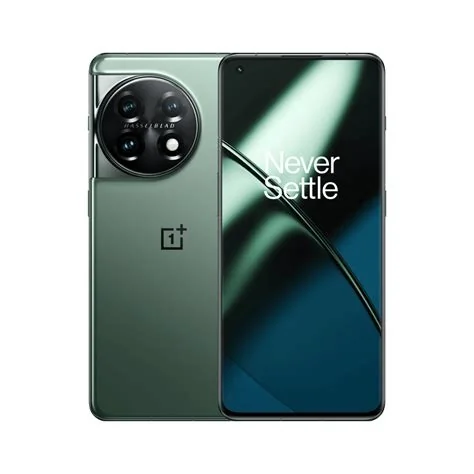
Despite the restructuring, OnePlus devices such as the upcoming OnePlus 15R continue to be marketed alongside competing mid‑range smartphones. The brand’s presence on store shelves remains for now, but its long‑term identity will depend on how Oppo balances cost efficiencies with the unique attributes that have kept OnePlus appealing to enthusiasts for over a decade.