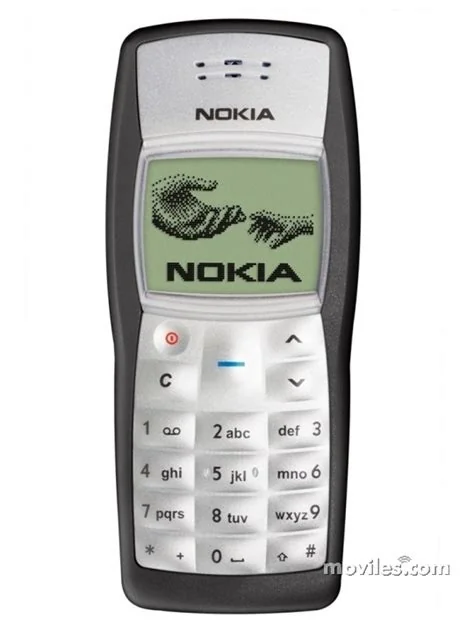
The Nokia 1100 remains the best‑selling phone ever, and today it fetches $50‑$90 on resale sites. Its legendary durability, long‑lasting battery, and ultra‑simple design keep collectors and budget‑conscious users interested, while its historic sales record underscores why the device still matters in a smartphone‑dominated world.
History and Original Launch Price
Released in 2003, the Nokia 1100 entered the market at roughly $100, targeting consumers who needed a reliable communication tool without advanced features. Its aggressive pricing, combined with Nokia’s reputation for rugged hardware, helped the phone quickly dominate emerging markets and cost‑sensitive regions.
Unmatched Sales Record
With more than 250 million units sold worldwide, the Nokia 1100 holds the record for the highest volume of any mobile phone in history. This achievement highlights how a focus on simplicity and affordability can outpace even premium smartphones in sheer adoption.
Key Features That Defined an Era
- Extreme durability: A polycarbonate shell and minimalist design allowed the phone to survive drops, dust, and moisture.
- Long‑lasting battery: An 850 mAh battery kept the device powered for several days of moderate use.
- Essential functions: Voice calls, SMS, a basic contact list, and an integrated flashlight met everyday needs while keeping production costs low.
Current Used Market Prices
Although brand‑new units are no longer produced, the secondary market offers the Nokia 1100 for $50‑$90 depending on condition, battery health, and included accessories such as chargers or protective cases. Its relatively low price compared with other retro devices reflects sustained demand from both collectors and users seeking a simple “emergency” phone.
Impact on Mobile Industry and Culture
Nostalgia Drives Demand
The generation that grew up with the 1100 now has purchasing power and seeks to relive the tactile, straightforward experience of early mobile phones, fueling a niche resale market.
Demand for Basic Phones
Amid growing concerns over smartphone privacy and battery life, a segment of consumers prefers feature phones that offer essential communication without constant connectivity, creating opportunities for manufacturers to revisit the “lite” phone concept.
Design Lessons for Emerging Markets
The 1100 demonstrates that low cost, robust construction, and extended battery life remain critical success factors in regions where network reliability and affordability are paramount.
Conclusion
More than two decades after its debut, the Nokia 1100 continues to symbolize the power of simplicity. Its resale price of $50‑$90 reflects ongoing interest driven by nostalgia and practical utility, while its historic sales record serves as a reminder that well‑executed basic design can outshine complex technology in many markets.