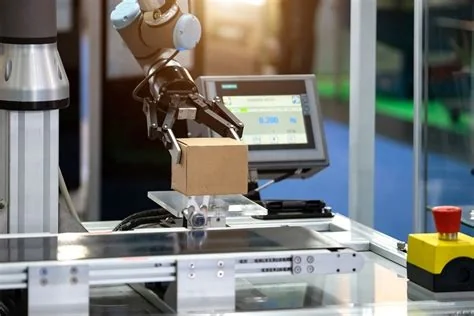
Rho‑Alpha is Microsoft’s first robotics‑focused vision‑language‑action model that converts natural‑language commands into low‑level robot actions, enabling dual‑arm and humanoid robots to perform tasks such as button pressing, plug insertion, and tool handling in unstructured environments. The cloud‑native framework runs on Microsoft’s AI infrastructure, offering scalable compute, continuous learning, and tactile feedback integration.
From Vision‑Language to Vision‑Language‑Action
Rho‑Alpha expands the vision‑language‑action paradigm by adding tactile sensing and a continuous‑learning loop that adapts from human feedback during deployment. This combination lets robots perceive visual cues, understand textual instructions, and execute precise motor commands in real time.
How Rho‑Alpha Works
Multimodal Input Processing
Rho‑Alpha ingests three data streams:
- Visual – high‑resolution camera feeds.
- Tactile – force and pressure sensor readings.
- Language – spoken or written natural‑language commands.
These inputs are fused into a unified representation that the model maps to low‑level joint commands for robot actuators.
Training Strategy
The model is trained on a hybrid dataset that mixes synthetic simulation data with real‑world physical demonstrations. This approach improves generalization across different robot hardware and environments, especially for contact‑heavy tasks where visual information alone is insufficient.
Target Audiences and Ecosystem
Rho‑Alpha is positioned as a foundational AI core for three primary stakeholder groups:
- Robotics manufacturers – pre‑trained AI that can be fine‑tuned for specific platforms.
- System integrators – a flexible model that bridges diverse sensors and control stacks.
- Enterprise users – enables deployment of robots for logistics, assembly, or maintenance without deep AI expertise.
Hosted on Microsoft’s cloud AI marketplace, the framework provides versioned updates, scalable compute resources, and integrated tooling for continuous learning.
Implications for the Robotics Landscape
By allowing robots to understand and act on natural language, Rho‑Alpha reduces the programming effort required for new tasks, opening opportunities for smaller manufacturers and end‑users. Its continuous‑adaptation capability addresses the brittleness of traditional robotic systems when encountering unforeseen variations, paving the way for deployment in dynamic settings such as warehouses, hospitals, and field service sites.
Next Steps and Availability
Microsoft plans a public rollout of Rho‑Alpha through its cloud AI marketplace. Organizations can join an early‑access program to evaluate the model in‑house, provide feedback, and influence future enhancements, including support for mobile platforms and more complex dexterous manipulation.