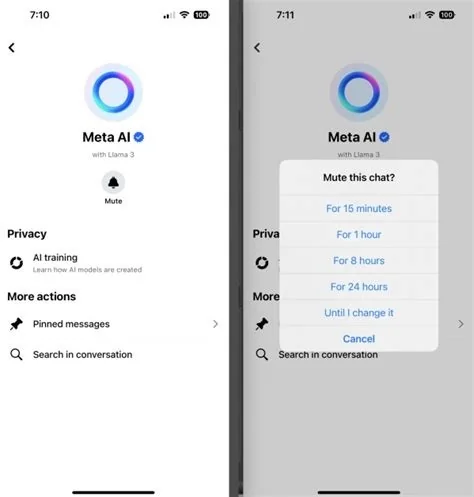
Meta is temporarily disabling its AI‑driven chatbot characters for users identified as teenagers across Instagram, Facebook and Threads. The global pause will stay in place until Meta releases an updated version with stronger safety controls, including built‑in parental tools and stricter content filters, to ensure age‑appropriate interactions for younger users today.
Why Meta Paused Teen Access to AI Characters
Regulatory Pressure and Safety Concerns
Intensified scrutiny of social‑media platforms’ impact on minors has prompted Meta to act proactively. By restricting teen access, the company aims to address legal challenges and demonstrate a commitment to protecting younger audiences from potentially harmful content.
Background on Meta’s AI Characters
Initial Launch and Parental‑Control Plans
Meta introduced AI chatbot “characters” that let users converse with virtual personalities for entertainment, tutoring, and role‑play. Early plans included parental‑control features to let guardians monitor topics, block specific characters, and disable AI‑character chats entirely.
Safety Enhancements Planned for the Next Release
Built‑in Parental Controls and Content Filters
The upcoming version will embed parental controls from day one, limiting conversations to age‑appropriate subjects such as education, sports and hobbies. Enhanced content filters will block sensitive topics and ensure responses align with younger users’ needs.
Impact on Users and the Market
What Teens Will Experience
- AI characters will be unavailable on Instagram, Facebook and Threads for accounts flagged as teen users.
- Accounts with a teen birthdate or those identified by Meta’s age‑prediction technology will lose access.
- Parents can expect clearer visibility into the content their children encounter once the new version launches.
What’s Next for Meta’s AI Characters
Timeline and Expectations
Meta has not disclosed a specific relaunch date, but the company emphasizes that the pause is temporary while it builds a safer experience. Stakeholders—including parents, educators and child‑advocacy groups—will monitor the rollout closely, as the enhancements could set a benchmark for industry‑wide AI safety standards.