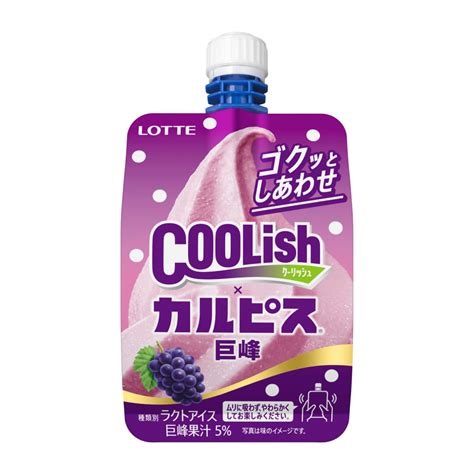
Summary: In January 2024, Lotte’s Coolish brand posted a photo of a 3D‑printed nozzle intended for its whipped‑cream beverage, sparking widespread criticism about food‑safety and hygiene. The company quickly issued a public apology, clarified that the nozzle is not an official accessory, and emphasized its commitment to consumer safety.
What Triggered the Controversy
The Social‑Media Post
The official Lotte Coolish X account shared an image on January 15 with the caption “We tried making a nozzle with a 3D printer!” The photo displayed a custom‑fabricated nozzle meant to control the flow of the drink.
Immediate Consumer Concerns
Followers questioned the sanitary suitability of a consumer product paired with a component produced on a desktop 3D printer. Critics highlighted that typical 3D‑printer filaments (such as PLA or ABS) are not certified for direct food contact and may harbor bacteria.
Background on 3D Printing in Food Applications
Additive manufacturing is increasingly used by hobbyists and startups to create custom utensils, molds, and edible structures. However, regulatory frameworks in Japan and elsewhere require food‑contact plastics to meet strict standards for migration, durability, and cleanliness. Manufacturers must validate that any accessory does not introduce microbial contamination.
Public Reaction and Trending Topics
- Users noted the risk of bacterial growth in printed layers, especially if the nozzle were reused.
- Hashtags such as #Coolish, #3DPrinter, and #HygieneIssue trended on X.
- Some defended the post as a harmless creative demo, while others warned that the lack of a disclaimer could mislead consumers to replicate the nozzle at home.
Lotte’s Apology and Corporate Response
On January 19, Lotte posted a follow‑up message apologizing for “a lack of consideration” and stating that the nozzle is not an endorsed accessory. The apology avoided technical details about material specifications but aligned with crisis‑communication best practices: acknowledge the misstep, take responsibility, and provide a concise corrective message.
Implications for Food and Tech Industries
- Brands must assess whether showcasing prototype accessories could be interpreted as product endorsements.
- Regulatory scrutiny may increase for companies that blend emerging fabrication tools with consumable goods.
- Social‑media teams should consult legal and quality‑assurance departments before posting experimental content.
Future Outlook for Lotte Coolish
Lotte has not announced changes to the Coolish product line beyond the apology. The brand continues to promote the beverage through conventional channels, and no further incidents involving 3D‑printed accessories have been reported. The episode reinforces that while digital fabrication captures public imagination, food safety and consumer trust remain paramount.