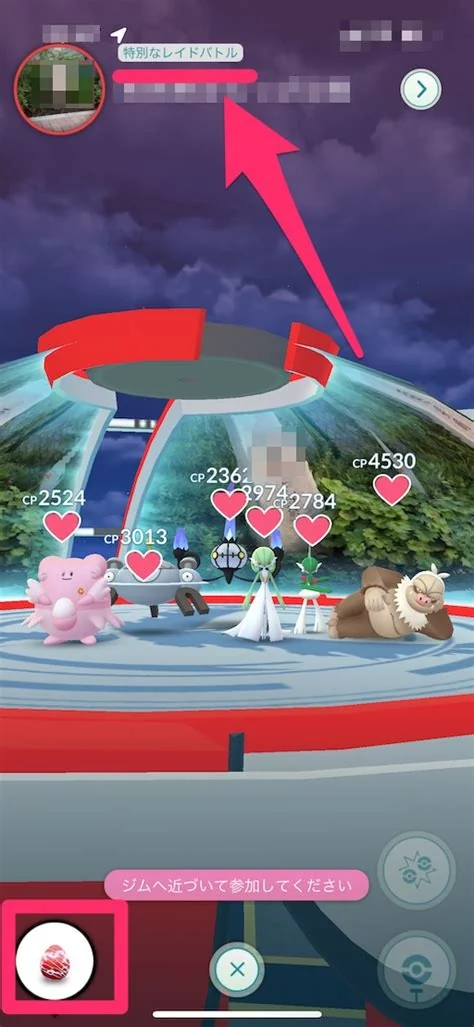
Answer: The current Pokemon GO raid schedule lists active and upcoming bosses by difficulty, while top counter Pokémon are identified for each boss based on type match‑ups and move sets. Upcoming events such as the Path to Kalos and Raid Weekends introduce special raid bosses and increased rewards, making early preparation essential for success.
Current Raid Boss Schedule
The official raid schedule categorizes bosses by difficulty level and shows their appearance frequency. Understanding this distribution helps players prioritize which raids to target.
Difficulty Distribution Overview
- Tier 1‑3 (Easy): Appear roughly equally across regions.
- Tier 4 (Medium): Represents about 50% of all raids, with each of the five possible bosses sharing an approximate 10% share.
- Tier 5 (Hard): Normally balanced, but during special raid weekends or legendary pick‑ups the appearance rates shift toward featured legends.
During Mega Evolution challenges, the pre‑evolution form is the target, so shiny markers and 100% IV indicators refer to the base Pokémon.
Top Counter Pokémon for Popular Bosses
Effective raid teams combine type advantage, fast and charge move synergy, and high IV Pokémon. Below are examples of recommended counters for frequently encountered bosses.
Example: Dragapult Counter
- Type Advantage: Use Electric‑type or Fighting‑type Pokémon to exploit Dragapult’s weaknesses.
- Recommended Pokémon: Electivire, Machamp, and other high‑damage attackers with fast‑charging moves.
- IV Guidance: For bosses with high IVs, aim for 100% IV counter Pokémon to maximize damage output.
Path to Kalos Event Overview
The Path to Kalos event runs for two weeks and introduces new regional Pokémon, increased shiny rates, and exclusive raid bosses.
- New Pokémon Appearances: Numerous Kalos‑region species spawn, with a higher chance of encountering shiny variants.
- Special Raid Bosses: Kalos‑exclusive legendary bosses appear at Tier 5 difficulty, offering valuable rewards.
- Field Research Tasks: Completing Kalos‑themed tasks grants exclusive avatars and items.
- Bonus Rewards: Experience points and Stardust gains are boosted by 20% throughout the event.
Because legendary appearance rates rise during this period, preparing appropriate counter teams in advance is crucial.
Using Raid Invitation Boards Effectively
Raid invitation boards connect players for coordinated battles. Follow these steps to maximize their usefulness:
- Register: Enter your nickname and region to access the board.
- Post a Request: Include the raid time, location, and required Pokémon.
- Review Applicants: Check each player’s profile and offered Pokémon before forming your team.
- Real‑Time Updates: The board automatically reflects changes, cancellations, or new participants.
This streamlined process supports both newcomers and veteran trainers in assembling strong raid groups.
Upcoming Event Calendar (January‑February)
- Raid Weekend (Late January – Early February): Legendary Pokémon such as Mewtwo receive increased spawn rates.
- Path to Kalos (Early February): Features exclusive Kalos raid bosses and boosted rewards.
- Spring Blossom Festival (Mid‑Late February): Shiny encounter rates rise across all Pokémon.
Each event alters standard raid spawn probabilities, so adjusting your team composition ahead of time can determine victory.
Practical Impact for Players
- Optimized Team Building: Combining schedule data with counter recommendations enables precise team selection.
- Strategic Event Planning: Knowing event dates lets you gather necessary Pokémon and items before the raid windows open.
- Community Collaboration: Effective use of invitation boards improves coordination, raising raid success rates.
Staying informed about the latest raid schedules and upcoming events is essential for mastering Pokemon GO raids in the early months of the year. Regularly check official sources for updates to keep your strategies current.