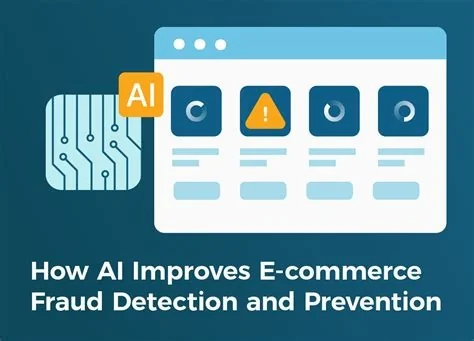
Retailers are turning to Happy Returns’ AI‑driven Return Vision system to identify fraudulent or counterfeit returns before refunds are issued, slashing losses and preserving shopper experience. The solution assigns a risk score to each return and uses high‑resolution image analysis to flag mismatched items, enabling rapid, automated decision‑making across the reverse‑logistics chain.
Return Fraud Statistics Driving Retail Change
U.S. shoppers return roughly $900 billion of merchandise annually, with an average return rate of about 17 %. Industry data shows that 1 % of processed returns are flagged as high‑risk, and of those, 13.5 % are confirmed fraudulent. These losses motivate retailers to adopt smarter detection tools.
How Return Vision AI Works
Risk Scoring Engine
Each return is evaluated against behavioral and product‑specific attributes, similar to a credit‑score model. Factors such as prior fraud linked to an email or physical address, the time elapsed between delivery and return initiation, and unusual return patterns generate a dynamic risk score that determines the need for further inspection.
Computer‑Vision Image Matching
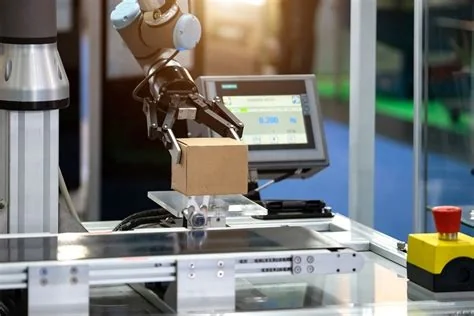
When a return receives a high risk score, the system captures detailed images of the item and compares them to the retailer’s catalog. Subtle differences—such as a slight variation in waistline on designer jeans or a distinct knit pattern on a sweater—are detected by the AI, flagging counterfeit or substituted products for manual review.
Retail Adoption of AI Return Screening
Most retailers now view return fraud as a critical issue, prompting integration of Return Vision into existing return workflows. High‑risk scores trigger secondary screening, allowing staff to focus on suspicious cases while routine returns flow automatically. This selective approach reduces labor costs and speeds up legitimate refunds.
Impact on Shoppers and Retail Margins
By automating counterfeit detection, retailers can protect margins without imposing blanket return fees. Shoppers benefit from faster processing of legitimate returns, while fraudulent actors face withheld refunds and flagged profiles that limit future abuse. The balance of security and convenience helps maintain consumer trust.
Future Outlook for AI in Return Management
AI‑enabled return screening is poised to become a standard component of omnichannel retail operations. Combining risk‑scoring engines with high‑resolution image analysis offers a scalable defense against increasingly sophisticated fraud schemes. Ongoing advancements will focus on transparency—clearly communicating why a return was flagged—and ensuring any biometric data usage complies with privacy regulations.