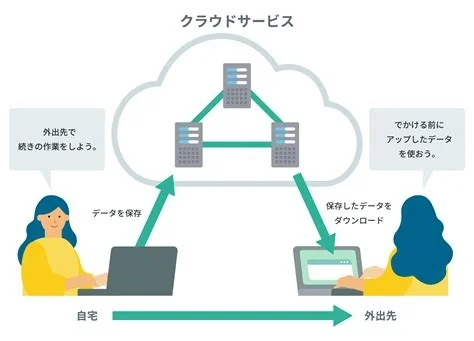
Answer: The global cloud market now exceeds $120 billion, growing 12% year‑over‑year, with Amazon Web Services, Microsoft Azure, and Google Cloud commanding roughly three‑quarters of the share. In Japan, the market tops ¥2 trillion, and AI‑driven agents are accelerating automation, cutting costs, and expanding cloud adoption across enterprises.
Current Cloud Market Landscape
The cloud ecosystem continues to dominate digital transformation initiatives worldwide. Key figures illustrate the scale:
- Global market size: Approximately $120 billion, up 12% from the previous year.
- Top vendors: AWS holds 34% of the market, Azure 22%, and Google Cloud 18%.
- Japan market: Valued at around ¥2 trillion, with AWS at 30%, Azure at 27%, and Google Cloud at 15%.
Japanese midsize and small businesses increasingly adopt hybrid and multi‑cloud strategies to balance on‑premises control with cloud scalability, addressing data‑sovereignty and latency requirements.
How AI Agents Transform Business Operations
Key Benefits of Cloud‑Based AI Services
- Scalability & cost optimization: Pay‑as‑you‑go pricing and auto‑scaling align resources with demand, reducing idle spend.
- Enhanced collaboration: Real‑time editing and granular access controls boost remote‑work productivity.
- Instant AI/ML integration: Pre‑trained models accessed via APIs enable rapid automation of routine tasks.
Practical Use Cases
Enterprises leverage AI agents for:
- Customer support chatbots that handle routine inquiries.
- Intelligent document processing that extracts data from contracts.
- Predictive maintenance alerts in manufacturing.
Top Cloud Tools for Efficiency
When selecting cloud solutions, consider the following categories and leading platforms:
- Project management: Asana Cloud
- Sales automation: Salesforce Sales Cloud
- Accounting: Freee Cloud
These tools integrate seamlessly with AI services, delivering measurable cost savings and productivity gains.
Emerging Trend: Cloud‑Based Contract Management
Digital contract platforms combine blockchain verification and electronic signatures to streamline agreement workflows. Benefits include:
- Reduced contract cycle time
- Tamper‑proof records
- Automated audit trails
Financial and real‑estate sectors are early adopters, though organizations must evaluate security implications and integration costs before deployment.
Strategic Recommendations for Enterprises
Align Cloud Adoption with DX Roadmaps
Define clear objectives for cloud usage—whether improving agility, cutting expenses, or enabling AI‑driven services. Match these goals against vendor capabilities and risk profiles.
Implement Robust Governance
- Establish data‑governance policies for AI agent usage.
- Develop ethical guidelines for automated decision‑making.
- Ensure legal compliance when adopting cloud contract solutions.
Adopt Hybrid and Multi‑Cloud Architectures Wisely
Leverage multiple providers to avoid vendor lock‑in, while maintaining consistent security and performance standards across environments.
Conclusion
The cloud market is shifting from pure infrastructure to a comprehensive digital platform that powers end‑to‑end business processes. AI agents, integrated automation tools, and cloud‑native contract solutions are the primary drivers of this evolution. Companies that proactively align their strategies with these trends will secure a competitive edge and accelerate their digital transformation journeys.