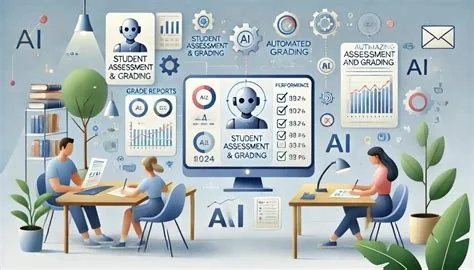
U.S. colleges are increasingly using generative‑AI tools to screen applications, promising faster decisions while sparking intense debate over fairness, bias, and academic integrity. Admissions offices now rely on AI to read essays, analyze transcripts, and flag potential AI‑generated content, prompting faculty and policymakers to question the impact on equity and student outcomes.
Why Colleges Turn to AI in Admissions
Rising application volumes have created staffing challenges, leading institutions to adopt AI for rapid essay evaluation and transcript parsing. Automated scoring can cut review times from weeks to days, allowing committees to focus on borderline cases and streamline the decision‑making process.
Equity Risks and Bias Concerns
AI models inherit patterns from their training data, which can reflect existing demographic biases. Without transparent criteria, underrepresented applicants risk being disadvantaged when language styles or experiences differ from the data used to train the algorithms.
Academic Integrity Challenges
Faculty report a sharp increase in AI‑facilitated cheating, prompting campuses to revise honor‑code policies and invest in detection software. Recent faculty surveys reveal that 95% believe AI may make students overly dependent on technology, 78% observe a rise in cheating, and 73% have encountered AI‑related integrity violations. Additionally, 90% fear a decline in critical‑thinking skills, while only 8% see AI improving the value of degrees.
Institutional Accountability and Governance
As AI influences high‑stakes admissions decisions, colleges face potential legal and reputational risks. Proactive governance—such as external audits, clear documentation of model weighting, and robust oversight—can help mitigate claims of discriminatory outcomes.
Key Implications for Higher‑Education Stakeholders
- Equity in Admissions Decisions – Lack of transparency around model training and weighting criteria could disadvantage underrepresented applicants.
- Academic Integrity Challenges – Increased AI‑facilitated cheating urges institutions to strengthen detection tools and honor‑code enforcement.
- Institutional Accountability – Legal and reputational exposure grows without clear governance and audit mechanisms for admission algorithms.
Emerging AI Guardrails
Some institutions experiment with AI systems that detect AI‑generated essays, effectively using one algorithm to police another. While promising, the effectiveness of these safeguards remains unproven at scale.
Future Outlook
The adoption of AI in admissions presents a crossroads between efficiency and equity. Balancing rapid, data‑driven decision‑making with safeguards against bias and cheating will shape the next generation of admission practices and set precedents for AI’s broader role in academia.