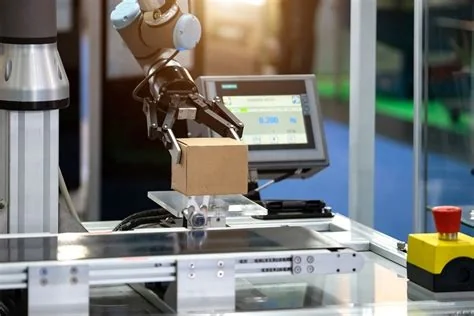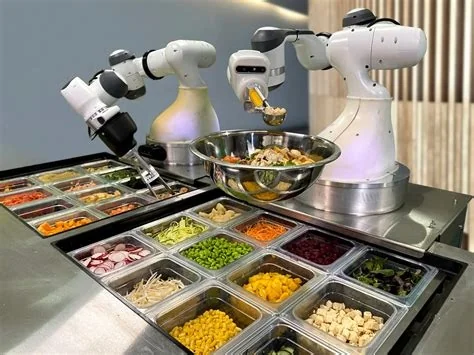
Cannibble has created a dedicated AI Robotics Division and entered a three‑year partnership with AIBotics to develop and pilot service‑robot solutions for food‑service, hospitality, and security venues in Israel. The collaboration aims to evaluate, test, and potentially commercialise autonomous robots that can streamline operations, reduce labor costs, and open new revenue streams for the plant‑based food company.
Key Details of the New Division
The AI Robotics Division will focus on assessing AI‑enabled robotic technologies, coordinating pilot projects, and building a roadmap for commercial deployment. Resources from Cannibble’s existing R&D and operations teams will be reallocated to support hardware testing, software integration, and performance analytics.
Partnership with AIBotics
AIBotics brings expertise in designing autonomous service robots, including food‑delivery bots, reception assistants, and security patrol units. The partnership includes joint development, shared data insights, and a structured evaluation framework to measure robot uptime, customer satisfaction, and cost‑benefit outcomes.
Company Background
Founded in 2019, Cannibble Food‑Tech Ltd. has built a portfolio of plant‑based powders, snack bars, and gluten‑free products marketed under the “Better‑for‑You” brand. The company’s core strength lies in food science, product development, and distribution across Israel and select export markets.
Market Opportunity
The global service‑robotics market is projected to exceed $200 billion within the next decade, driven by labor shortages and rising operational costs. In Israel, the food‑service and hospitality sector represents a $13 billion addressable market, offering a fertile testing ground for Cannibble’s robotic solutions.
Potential Benefits and Risks
Successful integration of service robots could provide multiple advantages:
- Improved efficiency through automated table service and food delivery.
- Reduced labor expenses for restaurants, hotels, and event venues.
- Cross‑selling opportunities leveraging Cannibble’s existing relationships with food‑service operators.
Risks and Challenges
The venture also introduces new risk factors, including the need to acquire hardware engineering expertise, ensure software reliability, navigate regulatory compliance, and provide after‑sales support—areas outside Cannibble’s traditional scope. The three‑year term, with renewal contingent on performance, reflects a cautious approach to managing these uncertainties.
Implementation Timeline
Pilot deployments are scheduled to begin later this year, targeting a select group of Israeli restaurants and boutique hotels. Detailed metrics such as robot uptime, customer satisfaction scores, and cost‑benefit analyses will be collected to inform decisions on broader roll‑out and commercialisation.
Future Outlook
The convergence of food‑tech and robotics positions Cannibble at the forefront of integrated, technology‑driven service models. While market growth offers strong upside potential, the company’s success will depend on execution quality, market acceptance, and its ability to bridge the gap between consumable product expertise and advanced automation. Investors and industry observers will watch closely as the partnership moves from planning to field trials.