
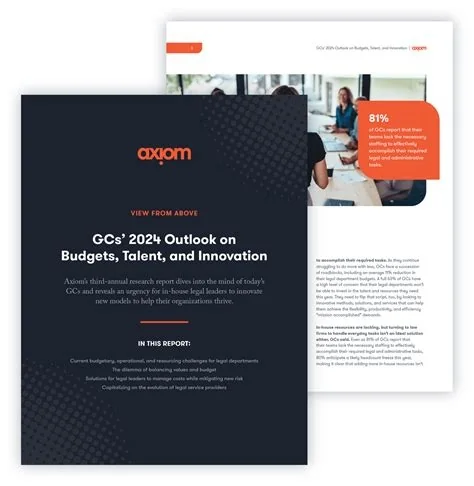
The latest Axiom study reveals a sharp paradox in corporate legal departments: AI tools are driving a dramatic rise in productivity, yet 76% of lawyers worry about job security and 46% are actively seeking new roles. The survey highlights how rapid AI adoption is reshaping workloads, talent dynamics, and risk management across the legal sector.
AI Boosts Productivity While Raising Job‑Security Concerns
More than four‑in‑ten in‑house legal teams now use AI daily, and 93% report a significant increase in output. Despite these gains, a majority of respondents feel vulnerable to automation, with anxiety centered on the potential replacement of routine tasks.
Key Productivity Gains
- Accelerated legal research and contract drafting
- Faster document review and risk assessment
- Higher volume of complex assignments
Job‑Security Fears
- 76% fear AI‑driven redundancy
- 46% are actively looking for new employment
- Only 24% feel secure in their current roles
Talent Shortage Intensifies Amid AI Adoption
Legal departments report a severe talent crunch: 97% struggle to hire high‑quality staff, and 95% find multidisciplinary projects hard to staff. Rising workloads combined with AI‑related anxiety amplify turnover risk.
Factors Driving the Crunch
- Increased project volume (78% report growth)
- More complex assignments (77% note higher difficulty)
- Lack of clear AI governance and training (less than 40% have formal policies)
Alternative Legal Service Providers Ease Anxiety
Collaboration with alternative legal service providers (ALSPs) appears to reduce stress. Teams that combine AI tools with ALSP support report lower job‑search activity and less perceived pressure.
Impact of ALSP Partnerships
- 34% of partnered teams feel less pressure vs. 59% without ALSPs
- 14% of staff in partnered groups are actively job‑hunting vs. 28% in non‑partnered groups
Legal Risks Grow With AI Use
As AI adoption expands, legal teams face rising litigation risk. More than half anticipate an increase in disputes tied to AI, including issues around workforce reductions and data breaches.
Primary Risk Areas
- AI‑related employment lawsuits
- Data privacy and security breaches
- Compliance with emerging AI regulations
Regulatory Landscape and Compliance Demands
New AI regulatory frameworks are setting higher compliance standards, creating demand for legal expertise in AI governance. Firms that develop strong regulatory practices can capture emerging advisory opportunities while mitigating risk.
Strategic Steps for Law Firms
To balance efficiency gains with workforce stability, firms should adopt a proactive change‑management approach.
- Establish clear AI policies and deliver comprehensive training.
- Communicate AI impact on specific roles to reduce speculation.
- Leverage ALSPs for flexible staffing and workload spikes.
- Monitor employee sentiment to identify retention risks early.
Future Outlook for the Legal Profession
AI tools will continue to evolve, pushing the legal industry toward higher‑value activities such as strategic counsel, complex negotiations, and AI‑focused regulatory advice. Firms that manage talent anxiety while harnessing AI’s efficiency will shape the next era of legal service delivery.


