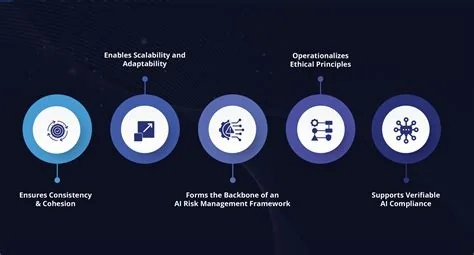
Enterprises are rapidly recognizing that AI governance and trust are no longer optional add‑ons but core components of any successful AI strategy. Robust governance, risk, and compliance frameworks ensure models behave predictably, meet regulatory demands, and build customer confidence, turning trust into a decisive competitive advantage across industries and markets.
From Pilot Projects to Scalable AI Operations
Closing the Pilot‑to‑Scale Gap
Many AI initiatives remain stuck in isolated pilots and proof‑of‑concepts. The primary obstacle is not technology or talent, but the absence of clear governance structures that define model ownership, authoritative data sources, and intervention protocols when outputs deviate from expectations. Establishing these foundations enables AI to transition from experimental to production‑ready.
Governance as a Strategic Investment
Organizational Shifts Toward Dedicated Leadership
Spending patterns reveal a rapid reallocation of budgets toward AI governance, risk, and compliance capabilities, often outpacing investments in new models or compute resources. Large enterprises are creating senior AI governance roles that report directly to the C‑suite, signaling that governance is now viewed as essential infrastructure rather than a brake on innovation.
Trust as a Competitive Moat
Measurable Benefits of Transparent AI
Companies that embed responsible AI practices see tangible gains: higher trust scores, smoother procurement processes, faster regulatory approvals, and stronger investor confidence. Transparency measures—such as clearly indicating when users interact with AI and providing human‑in‑the‑loop safeguards—turn trust into a key performance indicator and a defensible market advantage.
Regulatory Momentum and Compliance
Preparing for Emerging AI Regulations
Regulators worldwide are tightening AI compliance requirements, making governance a central element of every AI project. Enterprises that proactively align with evolving standards reduce legal risk, accelerate time‑to‑market, and position themselves as trusted partners in regulated sectors such as finance, healthcare, and human resources.
Actionable Steps for Enterprises
- Embed Governance Early: Conduct AI strategy and readiness assessments before major model investments to define ownership, data provenance, and drift‑mitigation mechanisms.
- Elevate Executive Ownership: Appoint dedicated AI governance leaders who report to senior executives, ensuring risk and compliance are baked into product roadmaps.
- Invest in Trust‑Centric Capabilities: Build transparency dashboards, human‑in‑the‑loop workflows, and explainability tools that satisfy both regulators and customers.
Future Outlook for AI Governance
As AI capabilities continue to commoditize, the differentiator will be an organization’s ability to demonstrate societal permission to deploy AI at scale. Robust governance, risk management, and trust‑building measures are no longer optional—they are the essential infrastructure that will determine which enterprises lead the AI race.