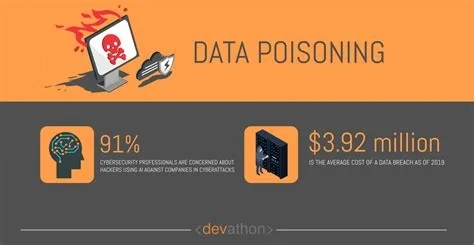
Data poisoning attacks corrupt the training datasets that power artificial‑intelligence models, causing inaccurate predictions, biased outcomes, or complete system failure. Enterprises face heightened risk as AI becomes central to decision‑making across industries. This guide explains how data poisoning works, outlines common attack types, and provides actionable mitigation strategies to safeguard model integrity and maintain regulatory compliance.
Understanding Data Poisoning
What Is Data Poisoning?
Data poisoning involves malicious actors inserting false or manipulated records into the datasets used to train AI models. By contaminating the training data, attackers can subtly steer model behavior, degrade performance, or cause outright failure, undermining trust in AI‑driven applications.
Common Types of Data Poisoning Attacks
- Targeted attacks – Manipulate model responses for specific inputs, such as causing an autonomous‑vehicle system to misclassify a stop sign.
- Non‑targeted attacks – Degrade overall model performance, effectively delivering a denial‑of‑service against the AI.
Real‑World Impact on Businesses
Poisoned data can lead to costly errors in critical sectors. In finance, altered transaction records may hide fraudulent activity, while in healthcare, compromised models risk exposing patient information. Beyond inaccurate outputs, data poisoning can trigger compliance violations, erode user trust, and demand expensive remediation efforts.
Effective Mitigation Strategies
- Data curation and vetting – Implement rigorous provenance checks and manual review of new training samples before ingestion.
- Technical controls for data integrity – Use cryptographic hashing, immutable storage, and anomaly‑detection tools to spot unexpected changes in datasets.
- Adversarial training – Incorporate deliberately perturbed examples during model development to improve resilience against malicious inputs.
- Continuous monitoring – Deploy real‑time analytics to track model performance drift and alert teams to potential poisoning events.
- Supply‑chain security – Limit reliance on third‑party data sources and enforce strict access controls to reduce the attack surface.
Preparing for the Future of AI Security
As AI integrates deeper into autonomous vehicles, medical diagnostics, and other mission‑critical systems, protecting the integrity of training data becomes essential. By adopting proactive mitigation measures, enterprises can safeguard their models, ensure regulatory compliance, and preserve the confidence of users who depend on reliable AI services.