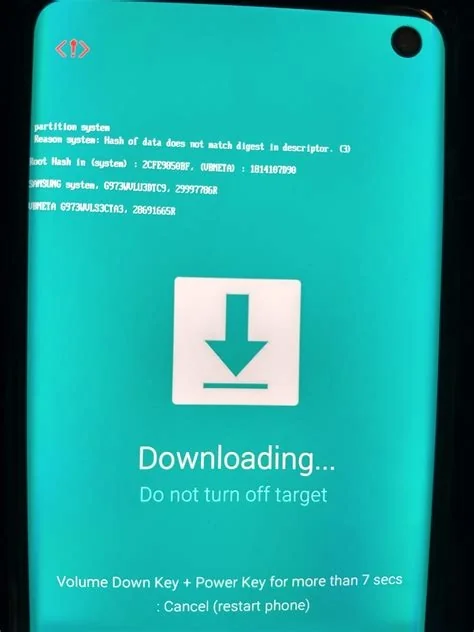
Samsung’s One UI 8.5, built on Android 16, was slated for a March rollout but has been postponed. The delay pushes the arrival of performance tweaks, AI‑driven notification changes, and new battery‑optimization features for most Galaxy phones. For legacy devices, it also signals the final major OS upgrade before only security patches remain.
What’s Included in the One UI 8.5 / Android 16 Update
The upcoming update isn’t just a visual refresh. It brings several under‑the‑hood improvements that matter to everyday use:
- New permission model that gives you finer control over app access.
- AI‑enhanced notification shade that prioritizes alerts based on usage patterns.
- Advanced battery‑optimization algorithms designed to extend screen‑on time.
- Performance enhancements across the system UI, making multitasking feel smoother.
Support Timeline for Older Galaxy Models
Samsung has indicated that older devices—such as the Galaxy S20, Note 20, and many A‑series phones—will receive their last major OS upgrade with One UI 8.5. After the rollout, only security‑only patches are expected, and even those may become sporadic.
Key Takeaways
- Flagship models (e.g., Galaxy S26) already get security patches, keeping them compliant.
- Mid‑range and legacy handsets will see no further feature upgrades beyond this release.
- Security updates are promised for three years, but the lack of new features can limit app compatibility.
Why the Delay Matters for Consumers and Enterprises
For you, the postponement means a longer wait for the promised performance boost and UI refinements. Power users may notice slower multitasking until the update arrives, while enterprises that rely on a predictable OS rollout schedule will need to adjust testing and certification timelines.
IT departments often align device‑management cycles with Samsung’s public calendar. A shift forces a reshuffle of maintenance windows, potentially tying up resources that were slated for other projects.
Industry Implications
Samsung’s staggered rollout highlights the challenge of delivering a monolithic update across a portfolio of more than 30 distinct Galaxy models. Pushing a single build to every handset at once would risk widespread bugs and a logistical nightmare. The delay, therefore, reflects a strategic choice to balance feature ambition with ecosystem stability.
What You Should Do Now
If your Galaxy phone is still on Android 12 or 13, keep an eye on Samsung’s official update page for the latest rollout schedule. For enterprise users, coordinate with your MDM provider to ensure the delayed rollout won’t clash with planned maintenance.
Consider budgeting for a hardware refresh if your device is among those slated for its final major upgrade. The performance gains from Android 16 and One UI 8.5 are most noticeable on newer hardware, and staying on an older platform may limit access to future apps that rely on the latest APIs.