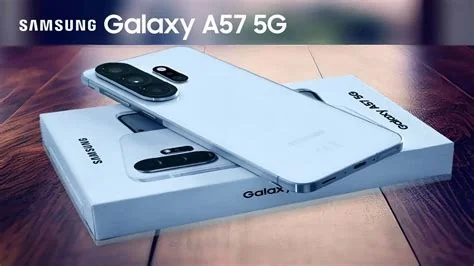
The Samsung Galaxy A57 is poised to hit stores by late March, bringing a mid‑range Snapdragon or Exynos processor, a 6.5‑inch Super AMOLED display, and a multi‑camera system. Pricing is expected to mirror the recent A37 launch, positioning the A57 as an affordable yet premium‑feel option for everyday users and developers alike.
Expected Launch Timeline
Samsung’s A‑series traditionally rolls out a new model each quarter, and the pattern points to a late‑March debut for the A57. Regional carrier listings have already surfaced, suggesting that pre‑orders could open within days of the announcement, with shipments following shortly after.
Release Pattern and Regional Rollout
Instead of a single global event, Samsung appears to be staging simultaneous soft launches across key markets. This approach builds buzz organically while allowing the company to fine‑tune inventory based on early demand signals.
Key Specs and Performance
The A57 aims to balance cost and capability, targeting users who want solid performance without flagship pricing.
Processor and Display
- Processor: Likely a mid‑tier Snapdragon 7 series or comparable Exynos chip.
- Display: 6.5‑inch Super AMOLED panel with Full HD+ resolution and a 90 Hz refresh rate.
Camera and Battery
- Camera: Triple‑camera array featuring a main sensor around 48 MP, an ultra‑wide lens, and a depth sensor.
- Battery: Estimated 5,000 mAh capacity with fast‑charging support.
- Software: Android 14 paired with One UI 6.0, offering new privacy controls and UI refinements.
Pricing and Market Position
Analysts expect the A57 to launch at a price point similar to the A37’s recent release, making it a strong contender against rivals like Xiaomi, Realme, and Motorola. By offering a premium design language at a mid‑range price, Samsung is likely targeting budget‑conscious shoppers who still value brand reputation.
What It Means for Users and Developers
If you’re looking for a reliable daily driver, the A57’s hardware should handle most modern apps without demanding heavy optimisation. For developers, the device provides a fresh platform to test Android 14 features and One UI 6.0 guidelines, ensuring your apps stay compatible with the latest Samsung ecosystem.