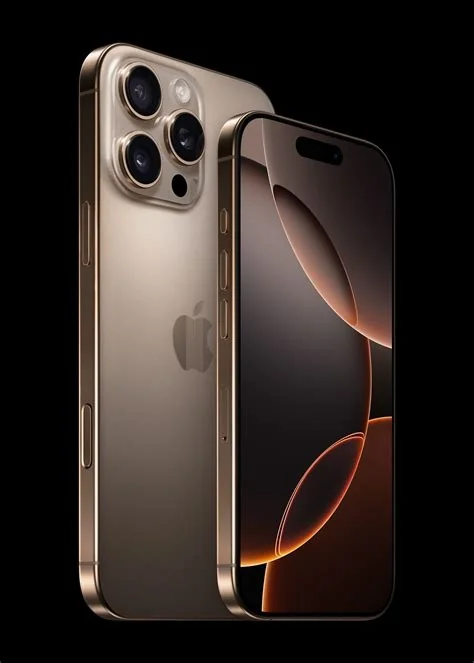
The iPhone 18 Pro Max packs a slightly thicker chassis, an A20 Pro processor built on a 3 nm architecture, and the first under‑display Face ID sensor on an iPhone. It also upgrades to a 6.9‑inch OLED panel that can hit 3,000 nits, adds 12 GB of RAM, and promises up to 30 % faster performance. These changes aim to boost brightness, multitasking and biometric convenience.
Design and Build
The new model measures about 8.8 mm in thickness, a half‑millimeter more than its predecessor. That extra space accommodates the under‑display sensor array and a larger battery, while still feeling sleek in hand. If you value a solid, premium feel, the modest increase won’t feel bulky.
Display Improvements
Apple keeps the 6.9‑inch OLED size but raises the peak brightness to an eye‑popping 3,000 nits. The higher brightness should make outdoor reading effortless, even under direct sunlight. Although Apple hasn’t confirmed the exact refresh rate, rumors suggest it will be faster than the 120 Hz standard, delivering smoother scrolling and gaming.
Key Display Specs
- Size: 6.9 inches
- Peak Brightness: 3,000 nits
- Resolution: Same as previous Pro Max models
- Potential Refresh Rate: >120 Hz
Performance Boost with A20 Pro
The A20 Pro chip introduces a 3‑nanometer process, delivering up to 30 % more performance than the prior generation. Paired with 12 GB of RAM—up from 10 GB—you’ll notice quicker app launches and smoother multitasking, especially in graphics‑intensive games and AR experiences.
What the Upgrade Means for You
Developers can tap into the extra GPU cores for richer visuals, while power users will appreciate the larger RAM pool for handling multiple demanding apps simultaneously.
Camera Enhancements
While exact sensor sizes remain unconfirmed, the primary camera is expected to be larger, improving low‑light capture. A new periscope‑style telephoto lens could push optical zoom beyond the current 3× limit, offering more flexibility for distant subjects.
Under‑Display Face ID
Moving Face ID beneath the display eliminates the hole‑punch design, freeing up additional screen real estate. This “unified design” aligns the front‑face aesthetics with competitors that already use under‑display fingerprint readers. The hidden sensor also opens possibilities for UI elements that blend seamlessly into the display area.
Benefits for Users
You’ll get an uninterrupted view when watching videos or scrolling through apps, and the biometric experience remains fast and secure, just as you expect from Apple.
Impact for Users and Developers
The brighter screen and stronger processor may raise the performance bar for Android rivals, while the under‑display Face ID invites new authentication flows in apps. Developers should optimize for the larger RAM and explore creative UI placements around the concealed sensor.
Bottom Line
In short, the iPhone 18 Pro Max offers a thoughtful evolution: a marginally thicker body, a dramatically brighter OLED panel, a next‑gen A20 Pro chip, and the first under‑display Face ID on an iPhone. If you’re already considering a Pro‑class upgrade and can live with a half‑millimeter extra thickness, the new features make the upgrade cycle worth your attention.