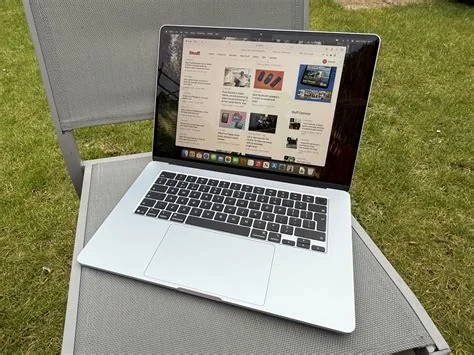
Apple’s MacBook Neo packs a 13‑inch Retina display, an aluminum chassis, and the A18 Pro chip into a $599 package, delivering premium look and solid performance for budget‑focused users. It offers all‑day battery life, smooth multitasking, and a high‑resolution screen, making it a compelling choice if you want a Mac without the flagship price.
What the Neo Actually Is
The Neo is a 13‑inch notebook that mirrors the look and feel of Apple’s premium line. It features a unibody aluminum shell, a backlit keyboard, and a glass‑like trackpad. Under the hood sits the A18 Pro chip, the same silicon family that powers the latest iPad Pro and MacBook Air. In real‑world use, the processor delivers smooth multitasking, quick app launches, and enough headroom for light video editing. Battery life stretches past 12 hours of web browsing, edging out many higher‑priced Windows ultrabooks.
The display is another win. At 2560 × 1600 pixels, it’s brighter and more color‑accurate than the 1080p panels that dominate the budget space. Combined with thin bezels, the Neo feels premium enough to sit on a coffee‑shop table without looking out of place.
What It Isn’t
One noticeable omission is Touch ID. The Neo relies on a traditional password entry, which feels like a step back in an era where biometric login is standard even on cheap devices.
Another subtle drawback is the limited RAM configuration. Apple’s current global memory shortage means the Neo ships with 8 GB of unified memory, non‑upgradeable. For most students and office workers that’s fine, but power users might feel the pinch.
Why It Matters
Apple’s move resets expectations for what a budget laptop can be. Historically, the cheapest Macs were stripped‑down versions of the Air, still carrying a $999 price tag. The Neo forces competitors to ask themselves: can they offer an aluminum body, a high‑resolution Retina screen, and a custom silicon processor for under $600?
For education markets, the Neo could shift purchasing decisions. Schools often have to choose between cheap, plastic‑cased Chromebooks and pricier iPads. A $599 MacBook that runs macOS and handles the same suite of productivity apps gives you a solid alternative without breaking the budget.
Practitioner’s Perspective
Maya Patel, a senior IT manager at a mid‑size design firm, has been piloting the Neo with her team. “We gave three designers a Neo for a week,” she says. “The build quality and display were instantly noticeable, and the A18 Pro handled Photoshop’s basic tasks without a hiccup. The only thing we missed was the fingerprint sensor for quick logins, but overall the cost savings were compelling enough to consider a broader rollout.”
Patel’s experience underscores a broader trend: professionals are willing to trade a single biometric feature for a substantial price cut, especially when the device doesn’t feel like a compromise.
What the Future Looks Like
If the Neo sells strongly, Apple may expand the line with larger screens or higher‑memory options, perhaps re‑introducing Touch ID once supply stabilizes. Meanwhile, Windows manufacturers will need to decide whether to add premium materials to their entry‑level models or double down on cost‑cutting measures.
The Neo also raises the question of how Apple will balance its premium brand image with a push into the mass market. Will the company risk diluting the “MacBook” badge, or will it create a new sub‑brand that coexists with the Air and Pro? Only time will tell, but for now the MacBook Neo feels like a bold statement: you don’t have to be rich to own a Mac.
Bottom Line
Apple’s MacBook Neo delivers a surprisingly generous package for $599—aluminum chassis, Retina display, solid A18 Pro performance, and all‑day battery life. The lack of Touch ID and a fixed 8 GB memory limit are the only real trade‑offs. Still, for students, freelancers, and budget‑conscious professionals, the Neo sets a new bar for what a low‑cost laptop can look like, feel like, and actually do.