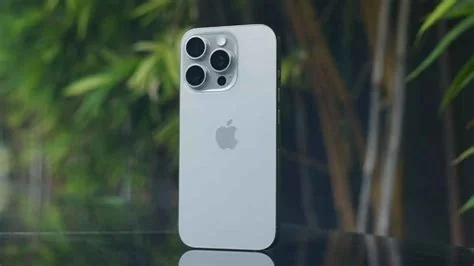
Apple’s iPhone 16 is now being sold in India for as little as ₹60,000, a near‑25 % drop from its launch price. By stacking bank instant‑discounts with trade‑in bonuses, shoppers can walk away with the flagship well below the usual premium tag. This pricing shift makes the device suddenly affordable for many Indian buyers.
Why the Price Cut Matters in India
The Indian smartphone market is fiercely price‑sensitive. Samsung, OnePlus and a host of Chinese brands compete on cost, forcing Apple to rethink its premium‑only approach. Reducing the headline price without changing the official MSRP lets Apple keep its luxury image while reaching a broader audience.
How to Secure the ₹60,000 Deal
- Choose a participating bank such as ICICI, HDFC or HSBC and use its instant‑discount card at checkout.
- Trade in a recent iPhone model (for example, an iPhone 13) to unlock additional savings.
- Shop at major retailers like Reliance Digital, Vijay Sales, or the official Flipkart store, where the discount is already applied.
- Combine the bank discount with the exchange bonus for the deepest price cut.
Impact on Store Traffic and Online Clicks
Footfall at major electronics chains surged by roughly 30 % after the new pricing hit shelves, while online product pages saw a sharp rise in clicks thanks to “Deal of the Day” badges. The immediate discount model drives impulse purchases, especially during festive seasons when cash flow tightens.
What This Means for Apple’s Indian Strategy
Apple continues to invest in local manufacturing to lower import duties, yet the iPhone 16’s list price remains high compared with rivals. Retail‑driven discounts let Apple preserve the perceived exclusivity of its brand while delivering a net price that many Indian consumers can actually afford.
Potential Ripple Effects Across Competitors
If Apple can move volume at a lower effective price, rivals may feel pressure to tighten their own promotions. Samsung’s flagship, priced around ₹70,000, could see a dip in demand, while Chinese manufacturers targeting the sub‑₹30,000 segment might need to adjust messaging to stay competitive.
Retailer Insight on the Discount Wave
A senior sales manager at a leading electronics retailer explained, “Customers are reacting positively; they’re more willing to consider an iPhone when the final price lands in the ₹60k range. It’s not just the discount itself, but the stackability with bank offers and exchange bonuses that makes the proposition compelling.” The manager also warned that if margins get squeezed too far, promotions could retreat later in the year.
Looking Ahead: Sustainability of Deep Discounts
The longevity of these steep cuts hinges on three factors: the pace of Apple’s local production ramp‑up, the strength of the Indian rupee, and how aggressively other OEMs respond. For now, you can take advantage of the current offers, but be ready to act quickly before the promotional window closes.