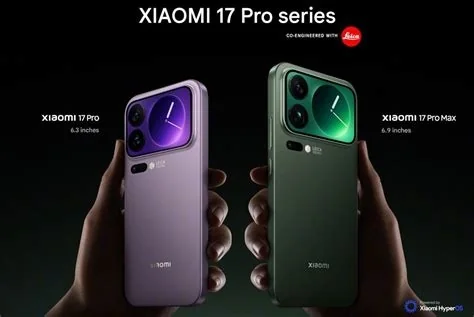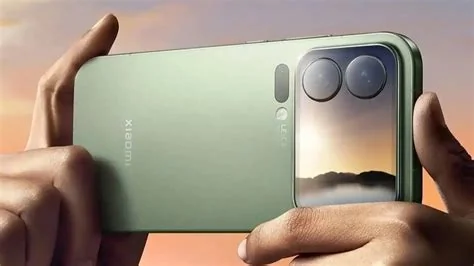
Xiaomi will roll out HyperOS 4.0, built on Android 17, to seven eligible phones that launched in the last 18 months and have at least 6 GB of RAM. The update starts with the flagship Mi 13 series, followed by the Mi 14 line, select Redmi Note 14 models and three POCO devices. Expect the first OTA within weeks of Android 17’s stable release.
Device List Eligible for HyperOS 4.0
- Mi 13
- Mi 13 Pro
- Mi 13 Lite
- Mi 14 (full lineup)
- Redmi Note 14, Note 14 Pro, Note 14 Pro+
- POCO F5
- POCO X5 Pro
- POCO M5 Pro
All listed models were introduced within the past year‑and‑a‑half, ensuring the new OS runs smoothly. Older phones, such as the Redmi Note 12 series, won’t receive the upgrade.
Why Android 17 Matters for Xiaomi Users
Android 17 introduces a modular framework that speeds up OTA updates, tighter background‑app throttling for better battery life, and a granular permissions system that lets you control sensor access with precision. Those core improvements flow into HyperOS 4.0, while Xiaomi adds its own touches like Super Wallpaper and Second Space for a uniquely personalized feel.
Rollout Timeline
Google’s stable Android 17 release is expected soon. Xiaomi plans a staggered HyperOS 4.0 rollout a few weeks after that:
- Phase 1: Mi 13 series receives a priority OTA.
- Phase 2: Mi 14 and Redmi Note 14 models follow.
- Phase 3: POCO devices get the update last.
You’ll see a notification in Settings → System → Updates once the package is ready for your phone.
Ecosystem Impact
For developers, Android 17’s modularity means faster API rollouts and less fragmentation, which should make it easier to adopt the latest ML Kit features and the new “App Hibernation” APIs. Xiaomi’s broad adoption across flagship, mid‑range, and budget lines helps create a more unified experience for services like Mi Cloud and the company’s IoT ecosystem.
Developer Insights
Android firmware engineers note that the shift to Android 17 brings noticeable battery‑saving tweaks and stronger privacy controls. The new background task scheduler in HyperOS 4.0 promises fewer power‑hungry apps when the phone’s idle, and the modular base should simplify custom ROM development without breaking compatibility.
What to Watch Next
Keep an eye on Xiaomi’s official forums or the Mi Community app for rollout alerts. Early user feedback from the Mi 13 series will likely shape the pacing for the subsequent Redmi and POCO waves. If your device is on the list, you’re about to enjoy a smoother, smarter Android experience.