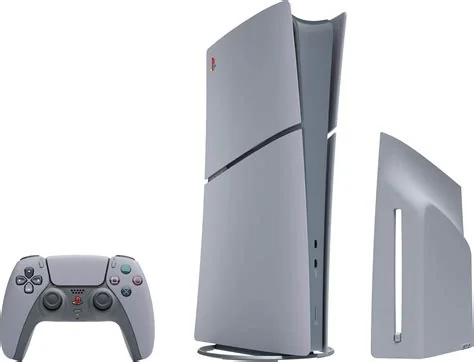
The PlayStation 5 now costs $499 for the disc model and $399 for the digital version, but the real expense hinges on subscription fees, microtransactions, and a shrinking lineup of first‑party studios. Sony is keeping the hardware price steady while leaning on PlayStation Plus and other services to boost revenue, meaning your total cost depends on how much you spend on ongoing subscriptions.
Standard vs. Digital: Understanding the Price Gap
The disc‑based PS5 lets you buy, trade, or rent physical games, giving you flexibility beyond the online store. The digital‑only version saves $100 but ties you to Sony’s ecosystem, where future price changes can affect your game library. Many players offset the $100 gap with a PlayStation Plus subscription, which bundles multiplayer, monthly free games, and streaming access.
Sony’s Service‑First Pricing Strategy
Sony’s finance chief has outlined a plan to keep the console’s sticker price stable by leaning heavily on games‑as‑a‑service revenue. By extracting more cash from subscriptions, microtransactions, and downloadable content, Sony aims to avoid the price hikes that sparked backlash in earlier markets. This approach mirrors industry trends toward recurring revenue streams.
Price Volatility History
In previous years, Sony nudged PS5 prices upward in certain regions, prompting consumer criticism. The recent commitment to stable hardware pricing is a direct response to that backlash, with the company now banking on service revenue to sustain profitability without repeatedly raising the console’s MSRP.
First‑Party Studio Closures
Sony has shuttered six first‑party studios, including the recent closure of Bluepoint Games. The reduction signals a strategic pivot: rather than pouring resources into internal development, Sony is relying more on external partners and its expanding services portfolio to fill the content pipeline.
Impact on Exclusives
With fewer in‑house studios, the volume of exclusive titles may shrink, raising concerns about the depth of PlayStation‑only experiences. However, a stronger focus on subscription‑driven services could compensate by offering a broader catalog of indie and third‑party hits, keeping the platform attractive to you and other gamers.
Hardware Refresh: PS5 Slim
Sony quietly introduced the PS5 Slim, borrowing a liquid‑metal thermal interface from the rumored PS5 Pro. This upgrade improves heat conduction, resulting in lower operating temperatures and a quieter fan profile. While not a dramatic performance leap, the cooler, quieter machine helps maintain a smooth gaming experience as the console ages.
Thermal Improvements
The liquid‑metal heatsink offers superior heat transfer compared with traditional thermal paste, allowing modest overclocking headroom without sacrificing reliability. A cooler system also supports the service‑first model by ensuring stable performance during long online sessions.
What This Means for Consumers
If you’re considering a PS5 purchase, remember that the disc‑based model still carries a premium, but the overall cost of ownership now heavily depends on PlayStation Plus, game subscriptions, and microtransactions. Sony’s plan to keep hardware prices steady shifts more spending onto these recurring fees, so the “free” monthly games become a larger portion of your total spend.
The shrinking first‑party studio roster could tighten the pipeline of exclusive releases, yet Sony’s refreshed hardware and expanding services ecosystem may soften the impact. As the console market matures, PlayStation is evolving from a pure hardware proposition into a broader entertainment platform, aiming to keep you engaged long after the launch hype fades.