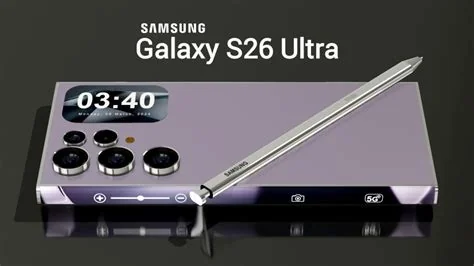
Samsung’s Galaxy S26 Ultra trims weight, widens its main and telephoto lenses, and introduces the APV pro‑grade video codec. The slimmer, lighter chassis improves one‑handed use, while f/1.7 and f/2.2 apertures boost low‑light photography. APV delivers visually lossless compression, letting creators edit footage without quality loss. Together, these upgrades position the S26 Ultra as a portable studio for power users.
Design Refresh: Slimmer, Lighter Build
The S26 Ultra sheds a few millimeters from its edges and drops a couple of grams compared with its S23 predecessor. Samsung kept the premium glass‑back feel, yet the reduced thickness makes the 6.8‑inch device easier to slip into a pocket. You’ll notice a more comfortable grip when using the phone one‑handed, a subtle but welcome refinement for daily use.
Camera Upgrade: Wider Apertures for Better Light Capture
Both the primary sensor and the 5× telephoto lens open up to larger apertures. The main camera now sits at f/1.7 (down from f/1.8) and the telephoto lens moves to f/2.2, allowing more light to reach the sensor. This translates to brighter, cleaner low‑light shots and a shallower depth‑of‑field effect that rivals dedicated compact cameras. If you often shoot in dim environments, the brighter lenses will noticeably improve detail and reduce grain.
APV Codec: Professional‑Grade Video Compression
Samsung debuts APV (Advanced Professional Video), a codec designed for creators who need visually lossless compression. With APV, you can edit footage repeatedly—color grading, frame‑rate tweaks, or minor re‑encodes—without the typical quality degradation seen in consumer codecs. The codec balances efficient file sizes with broadcast‑level fidelity, offering Android users a built‑in alternative to desktop‑centric workflows.
Charging Speed Boost
The S26 Ultra now supports 45W wired fast charging, a step up from the previous 25W. While not a quantum leap, the faster charge rate aligns the device with competing flagships and helps power users stay untethered longer. A quick top‑up can get you back to full performance in minutes, keeping you productive throughout the day.
Overall Impact for Power Users
Samsung isn’t overhauling the flagship formula; the UI, Snapdragon 8 Gen 3 (or regional Exynos) and One UI 6.0 remain familiar. However, the cumulative tweaks—lighter chassis, brighter lenses, and the APV codec—push the Ultra closer to a portable professional studio. For creators who value high‑quality optics and flexible video workflows, these refinements make a tangible difference.
Positioning in the Premium Market
By adding a professional‑grade codec and improving low‑light performance, Samsung signals its intent to compete in the creator‑centric segment. While Apple’s ProRes and Google’s HDR+ Video set benchmarks, the S26 Ultra’s APV offers Android users a comparable tool directly on their phone. This move strengthens Samsung’s appeal to users who previously gravitated toward competing ecosystems.
Conclusion
In short, the Galaxy S26 Ultra delivers a thoughtful evolution rather than a radical overhaul. A slimmer, lighter body, brighter lenses, and the APV video codec together nudge Samsung’s flagship toward true creator‑grade capability. If you’re already invested in the Galaxy ecosystem and seek a future‑ready device, the Ultra’s refinements may well justify its premium price.