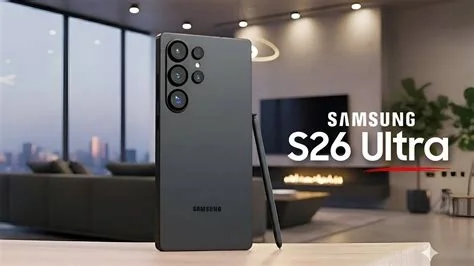
Samsung’s Galaxy S26 Ultra lands with a fresh AI engine, a faster Snapdragon chipset, and a brighter display, all while keeping the familiar S‑Series silhouette. The Ultra upgrades the camera’s real‑time processing, adds a dedicated Neural Processing Unit, and delivers snappier multitasking, making it the most intuitive Galaxy phone yet. If you want next‑gen AI without a radical redesign, the S26 Ultra delivers.
What’s New Across the S26 Lineup
The base S26 and S26 Plus stick closely to last year’s design, but they each receive subtle refinements. The S26 gets a marginally brighter OLED panel and a tweaked rear‑camera module alignment, while the Plus adds a slightly larger battery and minor software polish. The real star is the S26 Ultra, which packs a next‑generation AI processor, a newer Snapdragon CPU, and an upgraded display refresh rate.
Design Consistency and Color Options
All three models share a glass‑back, aluminum frame, and a sleek camera bar that runs across the rear. Samsung offers Cobalt Violet, White, Black, and Sky Blue 23 as standard shades, with two exclusive colors—Pink Gold and Silver Shadow—adding a premium touch for shoppers who want a little extra flair.
AI‑Powered Camera and Performance
The Ultra’s AI engine is anchored by a dedicated Neural Processing Unit (NPU). This NPU handles real‑time image enhancement, predictive battery management, and adaptive UI tweaks. When you open the camera app, the AI instantly balances exposure, color, and focus, delivering sharper shots without manual fiddling. The newer Snapdragon chipset also speeds up app launches and keeps multitasking buttery smooth, even under heavy loads like gaming or AR.
Pricing and Value Proposition
Samsung positions the S26 family to span a wide price range. The base S26 lands at an entry‑level flagship price, appealing to users who want the Galaxy experience without paying a premium. The Plus sits a step higher, offering a bigger battery and a modest camera bump. The Ultra commands a premium tag, reflecting its AI‑driven features and top‑tier hardware. If you’re weighing whether to splurge, the key question is how much you value AI‑enhanced photography versus raw specs.
Why Samsung Chose an Incremental Approach
Keeping the exterior largely unchanged lets Samsung streamline production and lean on the strong brand equity of the S‑Series silhouette. By layering in AI upgrades and a performance bump rather than a full redesign, Samsung injects fresh value while preserving the familiar look that many consumers recognize. This strategy also helps the lineup stay competitive against rivals that chase radical form‑factor changes.
Developer and Enterprise Benefits
From a developer’s perspective, the Ultra’s on‑device NPU opens a sandbox for testing edge‑case machine‑learning workloads. Apps can offload inference tasks to the NPU, freeing the main CPU for smoother UI responsiveness. For enterprise users, the AI‑driven battery optimizer can extend work‑day endurance, a subtle but welcome perk for teams that rely on a single device for productivity and media capture.
Market Implications
The S26 series arrives as competitors double down on AI‑centric features. Samsung’s emphasis on “intuitive” AI signals that on‑device intelligence is becoming a core differentiator. If the Ultra’s AI performance lives up to the hype, other OEMs may feel pressure to add dedicated AI silicon to their flagship tiers, nudging the whole market toward smarter, on‑device processing.
Bottom Line
Samsung’s Galaxy S26 family showcases careful evolution. The base and Plus models stay comfortably within last year’s design envelope, while the Ultra quietly layers a stronger AI engine and a performance boost that could matter to power users. Pre‑orders start on February 25, and the shared color palette offers a cohesive visual identity across the line. If you’re after a phone that feels familiar but delivers next‑gen AI, the S26 Ultra hits the sweet spot.