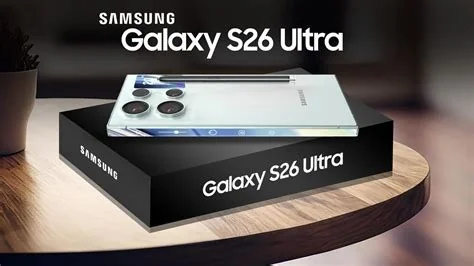
Samsung’s upcoming Galaxy S26 Ultra is already smashing benchmark records before it hits stores, thanks to a 2 nm Snapdragon 8 Gen 3 chip that outpaces the Snapdragon 8 Elite Gen 5. It also packs on‑device AI 2.0 capabilities, a privacy‑focused display, and fast 60 W charging, positioning it as the fastest, smartest, and most secure flagship you can expect.
Benchmark Dominance That Redefines the Flagship Tier
In raw performance tests the S26 Ultra climbs to the top of Android leaderboards. Geekbench 5 registers a multi‑core score north of 13,000, roughly 8 % ahead of the Snapdragon 8 Elite Gen 5 reference. PCMark 10 and AnTuTu v9 also place the device at the summit, while a real‑world 4K video encode wraps up in under 50 seconds. Those numbers show Samsung’s silicon partnership finally bearing fruit.
AI‑First Design: On‑Device Intelligence and Privacy
Samsung isn’t just chasing speed; it’s betting on AI 2.0, a suite that runs large language models locally. That means your queries, photos, and voice commands stay on the handset—no cloud hop required. The phone also introduces an AI Privacy Display mode that dynamically blurs or masks sensitive content based on context, giving you an extra layer of privacy when you need it most.
Hardware Highlights: Display, Charging, and Camera
The S26 Ultra sports a 6.8‑inch Dynamic AMOLED panel that delivers vivid colors and deep blacks. Its AI Privacy Display mode adds a privacy‑first twist to that visual experience. Charging gets a practical boost with a 60 W wired system that can fill the battery in under an hour. Meanwhile, the revamped camera stack pushes both resolution and computational photography further than the previous S25 Ultra, giving you sharper shots and smarter AI‑enhanced features.
Why It Matters for You, Developers, and Enterprises
On‑device AI translates to lower latency, reduced data‑transfer costs, and tighter compliance control. Imagine a field‑service app that translates text, classifies images, and redacts documents in real time—all without ever pinging a server. For privacy‑sensitive sectors like healthcare, finance, or legal, that capability can streamline workflows while keeping you firmly within regulatory bounds.
Industry Impact: A Potential Shift in Smartphone Competition
By landing a benchmark lead with on‑device AI, Samsung could force rivals to accelerate their own AI roadmaps. Apple, Google, and emerging brands have hinted at similar ambitions, but the S26 Ultra’s early advantage positions Samsung as a possible first‑mover. The competition may soon pivot from raw clock speeds to the quality of on‑device neural engines, developer tooling, and privacy‑centric features.
Bottom Line: What to Expect When It Launches
In short, the Galaxy S26 Ultra blends a cutting‑edge 2 nm Snapdragon 8 Gen 3, AI 2.0 on‑device smarts, and a privacy‑aware display into a package that already outperforms current flagship chips. For you, that means a phone that’s faster, smarter, and more secure. For the industry, it signals a possible pivot from spec‑centric bragging toward AI‑centric value.