
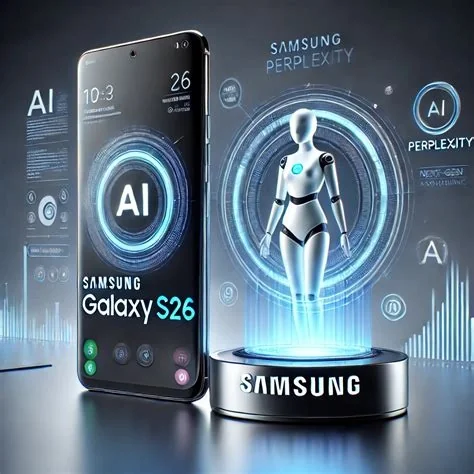
Samsung just unveiled the Galaxy S26, a flagship that packs an AI‑powered core capable of running multiple smart assistants side by side. The new multi‑agent hub lets Bixby, third‑party AI models, and other helpers share tasks without you having to juggle settings, promising a smoother, more flexible on‑device intelligence experience today.
What Is the New Multi‑Agent AI Architecture?
The Galaxy S26 introduces a unified AI layer that sits between the hardware and any number of assistant apps. This layer routes voice commands, image analysis, and contextual cues to the most suitable agent, so each assistant can focus on what it does best. In practice, the system can hand off a photo‑editing request to a specialized model while Bixby continues handling your calendar reminders.
Seamless Switching Between Assistants
When you ask for a quick reminder, Bixby responds. If you then open the camera and ask for a portrait‑mode tweak, a third‑party AI takes over. The handoff happens instantly, without you needing to close one app and launch another.
- Unified Interface: All assistants appear within a single AI hub, keeping the experience tidy.
- Task‑Optimized Performance: Each model runs only when its expertise matches the request.
- Data‑Secure Sharing: Information flows through Samsung‑controlled channels that enforce privacy safeguards.
Why Samsung Is Embracing Multiple Assistants
Smartphone AI has become a battleground, with competitors pushing single‑assistant solutions. Samsung’s multi‑agent strategy sidesteps that race by giving you the freedom to pick the right tool for each job. The approach also opens the platform to developers who want their AI models to reach millions of users without rebuilding the entire stack.
Competitive Landscape
While other brands double down on one assistant, Samsung’s open architecture lets you blend the strengths of Bixby, specialized photo editors, and emerging AI services—all while keeping a consistent user experience.
Benefits for Power Users
Power users often juggle multiple productivity apps. With a multi‑agent AI, you can:
- Capture a photo and have an AI automatically apply your preferred style.
- Draft an email while a separate assistant checks tone and suggests edits.
- Launch a navigation request and let a dedicated travel AI handle traffic predictions.
All of these actions happen in the background, letting you stay focused on the task at hand.
Privacy and Security Considerations
More agents mean more data pathways, so Samsung has doubled down on encryption and sandboxing. Each assistant runs in an isolated container, and any data exchange passes through Samsung‑managed APIs that enforce strict permission checks. The company stresses that your personal information never leaves the device unless you explicitly grant permission.
Opportunities for Developers
Developers now have a clear entry point to plug their AI models into the Galaxy ecosystem. Samsung provides core perception modules—vision, speech, and context—while letting third‑party engines handle higher‑level reasoning. This modular setup means you can focus on your specialty, whether it’s fitness coaching, language tutoring, or home‑automation scripting, without rebuilding the low‑level AI stack.
Looking Ahead: The Future of Mobile AI
The S26’s multi‑agent framework could set a new benchmark for on‑device intelligence. If Samsung delivers a fluid, secure experience, other manufacturers may be forced to rethink their single‑assistant roadmaps. For you, the real test will be whether the added flexibility translates into measurable productivity gains or simply adds another layer of complexity.


