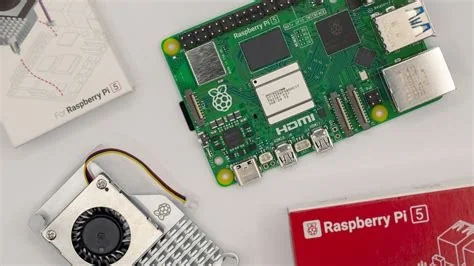
Reminor’s new offline‑first journaling app lets you run AI‑powered reflections directly on a Raspberry Pi 5 without any cloud connection. The app leverages local large‑language models to generate tags, summaries, and prompts, keeping every word on your device. If you want a private, instant writing companion that works on inexpensive hardware, Reminor delivers it today.
Why Offline AI Journaling Matters on Raspberry Pi
Running AI locally eliminates the risk of data leaving your network, which is crucial for anyone handling personal or sensitive notes. You don’t have to worry about token fees or service outages, and the experience stays fast even when your internet is slow.
Hardware Requirements and Performance
An 8 GB Raspberry Pi 5 paired with a modest heatsink provides enough memory and thermal headroom for the app. The board’s ARM64 architecture runs quantized models efficiently, delivering sub‑second responses that feel snappy.
Supported Models and Speed
- phi‑3:mini – runs with an average latency of around 800 ms per request.
- tinyllama – offers comparable speed while using less RAM.
- custom 1‑billion‑parameter models – feasible when paired with an AI accelerator HAT.
Key Features of Reminor on Raspberry Pi
- Free‑form entry – write normally; the model suggests tags, sentiment scores, and concise summaries.
- Reflective prompts – AI generates open‑ended questions based on recent entries, nudging you toward deeper self‑exploration.
- Pattern detection – over time, the model highlights recurring themes and displays visual heatmaps, all stored locally.
Privacy Benefits for Sensitive Users
Because everything stays on the micro‑SD card, you retain full control over your data. This offline stance helps you meet strict compliance standards without the overhead of managing a private cloud, making it ideal for educators, hobbyists, and professionals who need to protect confidential notes.
Future Outlook for Edge‑First AI Tools
The success of Reminor shows that powerful AI can live on cheap, single‑board computers. As developers create more efficient quantized models and affordable AI accelerators, you’ll likely see a wave of edge‑first applications that replace bulky cloud services.
Bottom line: you don’t need a data center to get a useful AI writing partner. With an 8 GB Raspberry Pi 5, a simple heatsink, and a bit of storage, you can keep your thoughts private, your insights immediate, and your wallet happy. Ready to give your Raspberry Pi its own diary?