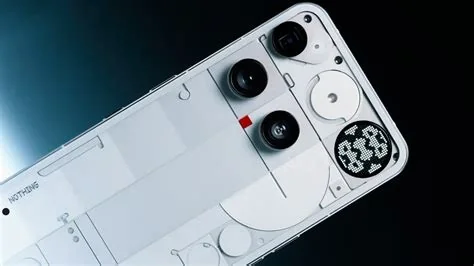
Nothing’s latest phones, the Phone 4A and 4A Pro, introduce the Glyph Bar—a six‑square LED strip that replaces the old circular glyph. With 54 individually controllable mini‑LEDs, the bar delivers up to 40 % brighter, bleed‑free lighting, turning rear‑panel glows into precise notifications, camera cues, and customizable visual feedback.
Design Evolution: From Circular Glyph to Square Bar
The original glyph was a single continuous ring that glowed whenever the phone received an alert or used the camera. Nothing broke that ring into six separate squares, each housing nine mini‑LEDs. This pixel‑style layout lets the phone display distinct colors or patterns without the color bleed that plagued the earlier design.
Square Layout and Mini‑LED Count
Each of the six squares contains:
- 9 mini‑LEDs that can be turned on or off independently.
- Improved diffusion layers that reduce color bleed.
- Higher brightness—up to 40 % more luminous than the previous series.
Why Rear‑Panel Lighting Matters
Rear‑panel lighting has become a subtle communication channel on Android flagships. With the Glyph Bar, Nothing gives you a precise visual cue for:
- Incoming messages (soft amber pulse).
- Low‑battery alerts (cool blue wink).
- Camera focus lock (vivid green flash).
Because each LED can be addressed individually, the phone can avoid the washed‑out glow that often distracts users when a single bright color dominates the back panel.
Impact on Android UI/UX Design
If you’re a UI/UX designer, the Glyph Bar opens a new design space. You could map specific LED zones to app states, creating a layered visual language that complements on‑screen cues. For example, an app might use a subtle green pulse to signal a successful background sync, or a red flicker for an incoming call when the screen is off.
Design Considerations
To keep the experience helpful rather than noisy, designers should:
- Use brief, low‑intensity pulses for routine alerts.
- Reserve bright, high‑contrast flashes for critical notifications.
- Provide users with customization options through a clear API.
Competitive Landscape and Future Outlook
While other brands have experimented with rear‑panel lighting, Nothing’s modular, multi‑zone approach sets a new benchmark. If the Glyph Bar lives up to its brightness and color‑accuracy promises, it could push the industry toward more functional rear‑glow implementations rather than mere gimmicks.
Potential Industry Shift
The bar’s patent‑protected design signals that Nothing intends the technology to become a standard feature. Third‑party developers may soon craft custom lighting patterns, turning the phone’s back into a programmable notification hub.
Final Thoughts
The Glyph Bar shows that Nothing isn’t satisfied with a novelty glow—it wants the back panel to serve a purpose. Whether the feature becomes a daily utility for you will depend on real‑world calibration, color fidelity, and developer support. If the promised brighter, cleaner, and more versatile lighting arrives, the bar could redefine how rear‑panel feedback works across Android devices.