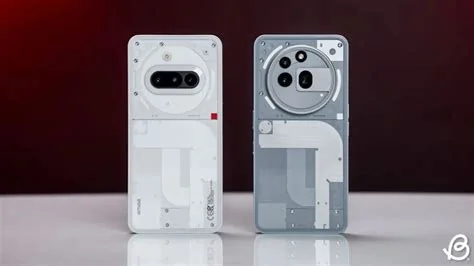
Both the Nothing Phone 4a and 4a Pro run on the same Snapdragon 7 Gen 2 processor, pack a 4,500 mAh battery and share a 50 MP main camera, 12 MP ultra‑wide lens, and 5 MP telephoto sensor. The only real split lies in the Glyph user interface and price, with the Pro priced around $549 and the base model near $449.
Identical Core Hardware
The two phones are virtually twins under the hood. They each use the Snapdragon 7 Gen 2 SoC, delivering smooth performance for everyday tasks and moderate gaming. Their 4,500 mAh batteries promise all‑day endurance, while the camera stack—50 MP primary, 12 MP ultra‑wide, and 5 MP telephoto—offers consistent image quality across both models.
Glyph UI: The Deciding Factor
Nothing’s signature Glyph interface is where the differentiation happens. The Pro version adds extra animation layers, a higher refresh‑rate display and more dynamic lighting effects, turning system shortcuts and notifications into a visual experience that feels richer than the base model’s more restrained implementation.
Pro Model Glyph Enhancements
The Pro’s Glyph UI introduces programmable light zones and faster animation cycles. These upgrades aim to give you a more immersive interaction, especially when navigating apps or receiving alerts. The added visual depth is positioned as the premium feature that justifies the higher price tag.
Standard 4a Glyph Experience
The regular 4a keeps the Glyph system lightweight. It still offers the signature light‑based shortcuts, but without the extra animation depth. This minimalist approach helps maintain battery efficiency while still delivering the brand’s distinctive visual language.
Pricing Strategy and Market Position
With the base model at roughly $449 and the Pro at $549, Nothing slots the 4a series between entry‑level and flagship‑priced mid‑range phones. By sharing the same hardware platform, the company can keep component costs low while using the Glyph UI as the primary value driver.
Why Sharing Specs Makes Sense
Standardizing the processor, battery and camera across both models streamlines production and reduces bill‑of‑materials costs. It also means software optimization can focus on polishing the Glyph experience rather than juggling multiple hardware configurations, resulting in more consistent performance and quicker OTA updates.
Potential Impact on the Mid‑Range Segment
If the Pro’s Glyph enhancements prove compelling, other manufacturers may look to software‑driven visual cues as a way to differentiate within the same price tier. This could shift the typical focus from pure hardware upgrades—like higher megapixels—to unique UI experiences that add perceived value.
Developer Advantages of a Unified Platform
For app creators, a single silicon foundation simplifies testing and reduces fragmentation. Knowing that both devices share the same sensor suite and SoC lets developers fine‑tune their apps once, while still taking advantage of any Glyph‑specific features that the Pro may expose.
What to Watch for on Launch Day
The March 5 event is set to showcase both phones side by side. Expect a design reveal, a deep dive into the Glyph UI upgrades, and final confirmation of pricing and availability. Keep an eye out for any exclusive accessories—such as a dedicated Glyph charger—that could further set the Pro apart.
Bottom Line: What This Means for You
In short, Nothing is betting on a minimalist hardware approach while using its signature visual language as the premium lever. If the Glyph upgrades deliver tangible daily benefits—like smoother shortcuts or clearer notification cues—you’ll get a differentiated experience without paying for higher‑end specs you might never use.