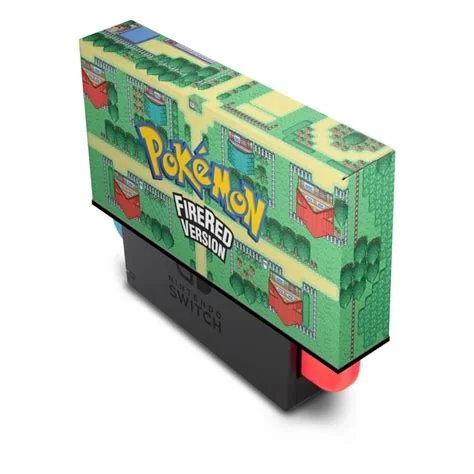
Pokémon FireRed and LeafGreen are arriving on Nintendo Switch as individual paid downloads, bypassing the Nintendo Switch Online subscription. The ports launch soon. Players can enjoy the 2004 remakes with modern controls and handheld convenience, paying a one‑time fee instead of a recurring charge. This move gives both longtime fans and newcomers a straightforward way to experience Kanto’s classic adventure without extra costs.
Why Nintendo Chose a Paid Model
Instead of bundling the titles into the subscription service, Nintendo is selling them outright. This approach lets you buy the games once and keep them forever, eliminating monthly or yearly fees. It also simplifies pricing for the eShop, making the cost clear and predictable.
Revenue Strategy
By offering a single purchase price, Nintendo captures revenue directly from each download. The model appeals to players who prefer owning games rather than maintaining a subscription, and it reduces the administrative overhead of rotating library titles.
What the Switch Port Offers
The Switch versions stay true to the original Game Boy Advance releases while adapting to modern hardware.
- Faithful graphics: The classic 2D sprites and tile‑based maps are preserved.
- Original gameplay: All story events, puzzles, and Pokémon encounters remain unchanged.
- Modern controller support: You can use Joy‑Cons or a Pro Controller without any extra setup.
- Portable convenience: Play on the TV docked mode or on the go with the handheld screen.
- No extra DLC: There are no added downloadable content packs or online battle features.
Impact on the Switch Library and Players
Adding FireRed and LeafGreen expands the Switch’s retro catalog, reinforcing the console’s reputation as a hub for both new releases and classic titles. For you, it means a low‑cost entry point into the Pokémon series’ roots without the need to subscribe to any service.
From a broader perspective, this paid‑per‑title strategy could influence how other legacy games are handled on the platform. If more developers follow suit, the eShop may see a shift toward clearer, one‑time purchases rather than subscription‑only access.