
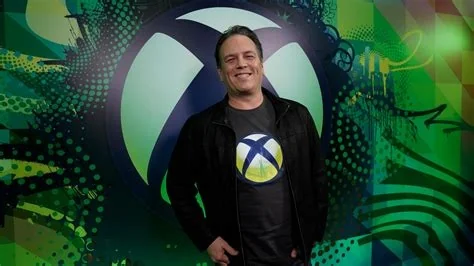
Phil Spencer is stepping down after a 38‑year Microsoft career, and Asha Sharma—currently the head of Microsoft’s Core AI division—will assume the role of Xbox Gaming President. Her appointment signals a strategic pivot toward AI‑driven services, subscription‑centric growth, and a new era for Xbox’s ecosystem.
Why Spencer’s Exit Matters
Spencer’s tenure turned Xbox from a struggling console into a subscription powerhouse. He championed cloud gaming, expanded the Game Pass catalog, and pushed cross‑play across devices. Those moves kept Xbox competitive against rivals, but his retirement closes a chapter defined by a “big bet on cloud first.”
Cloud‑First Legacy
Under Spencer, Xbox launched Project xCloud (now Xbox Cloud Gaming), doubled down on backward compatibility, and built a subscription model that now serves tens of millions of players. The cloud‑first approach gave Xbox a distinct edge, yet the market is tightening as competitors sharpen their own subscription offers.
Asha Sharma’s AI Vision for Xbox
As the former leader of Core AI, Sharma oversaw the rollout of large‑scale AI models across Microsoft’s product suite. Her new role suggests Xbox will integrate AI more deeply—think real‑time personalization, smarter matchmaking, and AI‑assisted game development tools.
Potential AI‑Powered Features
- Real‑time personalization: AI could tailor game recommendations and in‑game experiences to each player’s preferences.
- Smarter matchmaking: Machine‑learning algorithms may create more balanced multiplayer matches.
- AI‑assisted development: Tools that accelerate asset creation and level design could speed up studio pipelines.
While Microsoft has not disclosed a detailed roadmap, Sharma’s background makes it clear that AI will become a core part of Xbox’s future.
Implications for Developers and Players
For studios, the shift means tighter integration with AI tools and new expectations around data usage. You may see faster iteration cycles, but also a need to adapt to AI‑driven workflows. For players, AI could mean more personalized content and smoother online experiences—provided the technology respects privacy and creative integrity.
Key Considerations
- Developer workflow: Adoption of AI tools could streamline production but requires new skill sets.
- Player privacy: AI personalization must balance convenience with data protection.
- Content quality: Over‑reliance on AI‑generated assets could affect game authenticity.
What to Watch Next
Keep an eye on Microsoft’s upcoming announcements. Expect a formal outline of Sharma’s five‑year vision, pilot AI features in Xbox Series X|S firmware updates, and early Game Pass titles that showcase AI integration. Your feedback as a gamer or developer will shape how quickly AI becomes a cornerstone of the Xbox experience.


