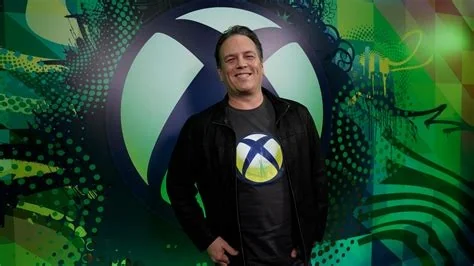
Phil Spencer is retiring as head of Microsoft’s Xbox division after a 38‑year career that began in 1988, and Asha Sharma will take the helm. Spencer’s tenure turned Xbox from a niche console into a cloud‑centric ecosystem anchored by Game Pass, while the transition comes as the industry wrestles with AI‑driven game development and fierce competition.
Spencer’s Legacy and Impact
Spencer joined Microsoft in the late 1980s, rose through the Windows software ranks, and assumed Xbox leadership in 2014. Over the next decade he:
- Launched Xbox One, establishing a unified entertainment hub.
- Guided the rollout of Xbox Series X/S, delivering next‑gen performance.
- Built Xbox Game Pass into a subscription service with over 30 million members.
- Bet on cloud gaming through Project xCloud, positioning Microsoft for a future beyond physical hardware.
- Expanded Microsoft’s first‑party catalog via acquisitions such as ZeniMax, Bethesda, and Activision Blizzard studios.
These moves reshaped the Xbox brand and set a foundation you can still see in today’s cross‑platform strategy.
Why the Timing Matters
The console market is tightening. Sony’s PlayStation 5 still leads global shipments, while Nintendo’s Switch holds a solid niche. At the same time, AI‑generated content is reshaping development pipelines, prompting Microsoft to promise higher quality standards for AI‑enhanced titles. Spencer’s departure aligns with these pressures, offering a natural handoff as the company doubles down on cloud and AI initiatives.
Implications for Xbox Gamers
For players, the leadership shift doesn’t signal a sudden change in direction. Expect continued focus on:
- Expanding Game Pass library and value.
- Strengthening cloud gaming performance and accessibility.
- Upholding the “no soulless AI slop” pledge, meaning higher quality checks for AI‑driven features.
You’ll likely notice a smoother integration of AI tools without compromising the immersive experiences you expect from Xbox titles.
Developer Perspective
From a studio viewpoint, Spencer’s era encouraged:
- Open collaboration with third‑party engines like Unity and Unreal.
- Long‑term service models, where ongoing updates keep games fresh for subscribers.
- Flexibility to launch across console, PC, and cloud with a unified ecosystem.
If Sharma maintains this collaborative ethos, developers can keep leveraging Xbox’s broad reach while adapting to emerging AI workflows.
Future Outlook for Microsoft Gaming
Spencer will stay on as an adviser, helping ensure a seamless transition. Microsoft has already signaled that cloud gaming and AI quality will remain front‑and‑center. The next quarters will test how effectively Sharma can translate Spencer’s strategic bets into measurable growth, while preserving the subscriber‑centric model that has become a hallmark of the Xbox brand.