
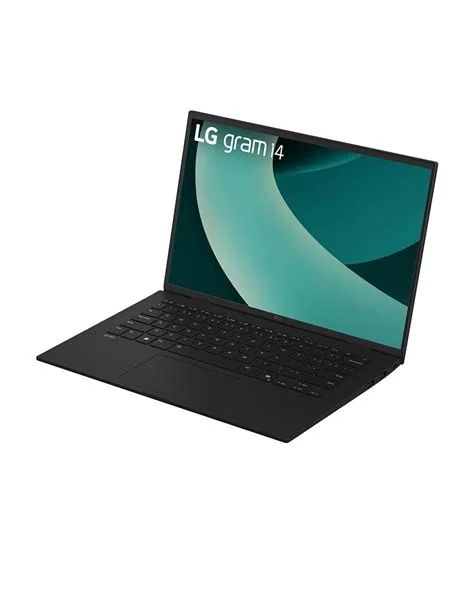
LG’s latest Gram model packs a 14‑inch screen, AMD’s Ryzen AI 400 processor, and a feather‑light chassis that tips the scales at just 1.12 kg. The notebook targets creators and mobile professionals who need AI‑boosted performance without sacrificing portability, and it arrives with multiple configuration options at a premium‑tier price. Its battery life stretches beyond ten hours, and the built‑in AI accelerator promises faster image rendering and smoother video editing on the go.
Ultra‑light Design Meets AI Power
The new Gram keeps the slim 15.4 mm profile that the line is known for while adding a reinforced chassis that still meets MIL‑STD‑810H durability standards. You’ll notice the anti‑glare IPS panel retains the 16:10 aspect ratio, delivering crisp colors for both work and entertainment. The combination of weight, strength, and AI capability makes the laptop feel like a true mobile workstation.
Weight and Build Quality
At 1.12 kg, the device is among the lightest 14‑inch ultrabooks on the market. Its magnesium‑alloy frame resists drops and vibration, so you can toss it into a backpack without worrying about damage. The keyboard offers a comfortable travel distance, and the trackpad supports multi‑finger gestures for quick navigation.
Display and Connectivity
The 14‑inch WUXGA (1920×1200) IPS screen delivers sharp detail and wide viewing angles, while the anti‑glare coating reduces reflections in bright environments. Connectivity includes two Thunderbolt 4 ports, a USB‑C charging port, and a micro‑SD slot for extra storage. You’ll also find Wi‑Fi 6E and Bluetooth 5.3 for fast wireless links.
Ryzen AI 400 Performance Highlights
AMD’s Zen 4‑based CPU pairs with on‑board AI accelerators that offload machine‑learning tasks from the main cores. This architecture speeds up Photoshop filters, Lightroom presets, and video‑encoding presets without needing a discrete GPU. In everyday use, the laptop feels responsive even when multiple AI‑enhanced apps run side by side.
AI‑Accelerated Creative Workflows
If you edit photos or videos, the AI engine can up‑sample footage and apply noise‑reduction in real time. That means shorter render times and less reliance on external hardware. Graphic designers will appreciate the smoother performance when using vector‑based tools that incorporate AI‑driven suggestions.
Developer and Remote‑Work Benefits
Software developers can delegate model inference tasks to the AI cores, freeing the CPU for compilation and testing. Remote workers will notice clearer video calls thanks to the AI‑enhanced webcam and noise‑cancelling microphone that come standard on recent Gram models.
Pricing, Configurations, and Competition
The Gram starts at roughly ¥220,000 (about US$1,500) and offers several RAM and storage combos, from 16 GB LPDDR5x with a 512 GB SSD up to 32 GB with a 1 TB drive. While competitors like the Dell XPS 13 and ASUS ZenBook 14 chase similar weight targets, few combine sub‑1.2 kg mass with a dedicated AI accelerator.
What You Should Consider Before Buying
Before you decide, think about the software ecosystem you rely on. Most mainstream apps already support AMD‑based AI acceleration, but you may need to update drivers or BIOS firmware to unlock the full potential. Keep an eye on LG’s support portal for the latest updates, and plan your purchase around the configuration that matches your workflow.
- Weight: 1.12 kg
- Processor: AMD Ryzen AI 400 (Zen 4)
- Memory: 16 GB or 32 GB LPDDR5x
- Storage: 512 GB – 1 TB NVMe SSD
- Display: 14‑inch 16:10 WUXGA IPS, anti‑glare
- Battery: Up to 10+ hours
- Durability: MIL‑STD‑810H certified


