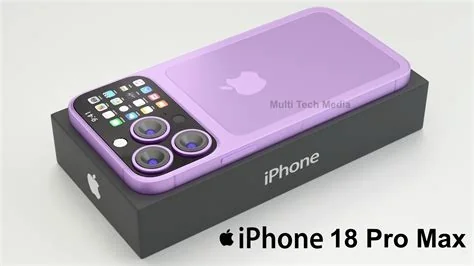
The iPhone 18 Pro Max is expected to arrive with a 48‑megapixel main camera, a periscope‑style telephoto lens, an A18 Bionic chip built on a 3 nm process, a ProMotion XDR display that can drop to 1 Hz, and an under‑display camera that eliminates the notch. These upgrades aim to boost photography, performance, and battery life.
Camera System Overhaul
Apple is rumored to equip the Pro Max with a 48‑megapixel primary sensor that features larger pixels for better low‑light capture. A new periscope‑style telephoto lens could push optical zoom beyond the current 3× limit, giving you more flexibility when framing distant subjects. The sensor‑shift OIS improvement should also sharpen night‑time shots.
Next‑Gen A18 Bionic Chip
The upcoming A18 Bionic, fabricated on a 3‑nanometer node, promises up to 30% faster performance while delivering noticeable gains in energy efficiency. This extra headroom lets developers integrate more on‑device AI features without draining the battery, meaning smoother gaming and faster app launches for you.
ProMotion XDR Display
A refreshed “ProMotion XDR” panel will offer a variable refresh rate that can dip to 1 Hz for static content and ramp up to 120 Hz for scrolling or gaming. The adaptive rate helps extend daily battery endurance while preserving the buttery‑smooth experience you’ve come to expect from a Pro iPhone.
Under‑Display Camera
Apple appears ready to retire the infamous notch, replacing it with a tiny under‑display camera. The hole‑puncture design keeps the screen truly edge‑to‑edge, delivering a cleaner look without sacrificing selfie quality.
Battery and Power Management
To offset the power demands of the new camera and display tech, the Pro Max may receive a modest bump in battery capacity. Combined with the efficiency of the A18 chip, you could see noticeably longer usage between charges.
Why These Changes Matter
These hardware upgrades position the iPhone 18 Pro Max to reclaim premium leadership in a crowded market. The periscope zoom puts Apple on par with top Android flagships, while the efficient A18 chip opens the door for richer on‑device AI and AR experiences. An under‑display camera finally answers the long‑standing “do we really need a notch?” question, and the variable‑refresh display translates into real‑world battery savings you’ll feel day to day.
Expert Insight on Camera Engineering
“Integrating a periscope lens into a slim smartphone chassis is a complex challenge,” says a senior camera engineer who works with multiple smartphone manufacturers. “Space constraints, precise alignment, and thermal management all become critical. If Apple commits to this design, it signals a serious intent to compete on photographic versatility, not just computational tricks.”
Chipset Analyst Perspective
“A 3‑nm A18 chip would give Apple a tangible edge in both speed and power consumption,” notes a semiconductor analyst. “That foundation lets software teams push features like real‑time language translation or advanced machine‑learning inference without draining the battery, which is a win for everyday users.”
What to Expect Next
With the hardware roadmap taking shape, the next wave of leaks will likely focus on iOS 18 software that leverages these capabilities. Anticipate a more robust Live Photos mode, deeper integration of Vision Pro technologies, and an expanded Focus system that uses per‑pixel depth data from the new camera. While rumors of a foldable iPhone persist, the consensus suggests a prototype may not reach mass production for several years.