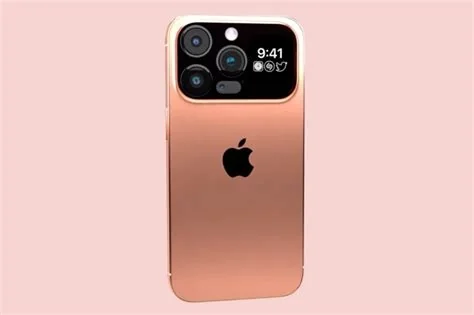
The iPhone 18 Pro and Pro Max are expected to arrive on a cutting‑edge 2 nm silicon node, delivering up to 15% better battery life, a slimmer chassis, a larger‑sensor 48 MP camera system, a brighter 120 Hz ProMotion display, and an A18 Bionic chip with a beefed‑up neural engine—all while keeping the familiar iOS experience you love.
2 nm Process Powers Efficiency Gains
Apple’s shift from a 3 nm to a 2 nm manufacturing process promises tighter transistor density, which translates into lower power draw for the same performance level. In real‑world use, that could mean a noticeable bump in endurance despite only a modest increase in battery capacity—from 2,800 mAh to roughly 3,200 mAh. If you’re looking for longer screen‑on time, the new node is a key driver.
Streamlined Design and Lighter Build
The upcoming models are rumored to shave a few millimeters off the bezel and trim a few grams from the aluminum frame. The result is a sleeker silhouette that feels less bulky in the hand. A fresh “coffee‑colored” finish may also debut on the Pro Max, giving the device a premium visual cue while keeping the overall form factor familiar.
What the Design Changes Mean for You
- Thinner bezels improve screen‑to‑body ratio without sacrificing durability.
- Lighter chassis makes daily carry more comfortable.
- New finish options add a subtle style upgrade.
Camera System Gets Bigger Sensor and Smarter Processing
The 48 MP main sensor stays, but a larger sensor size and a revamped pixel architecture are expected to boost low‑light performance. Coupled with an upgraded computational photography suite powered by the A18 Bionic’s neural engine, you’ll see brighter Night mode shots, refined Deep Fusion results, and a brand‑new “Cinematic Portrait” mode that blends depth mapping with real‑time video stabilization.
Key Camera Enhancements
- Larger sensor captures more light for clearer night images.
- Enhanced computational engine delivers smarter HDR and detail preservation.
- New “Cinematic Portrait” mode offers professional‑grade video depth effects.
Brighter, Faster ProMotion Displays
Both models will keep the 120 Hz ProMotion refresh rate, but peak brightness is set to rise dramatically. The iPhone 18 Pro could reach up to 1,800 nits, while the Pro Max may push toward 2,000 nits, ensuring crisp readability even in bright sunlight. For anyone who watches media outdoors or works with HDR content, that boost matters.
Display Highlights
- Higher peak brightness improves outdoor usability.
- Consistent 120 Hz refresh provides smooth scrolling and gaming.
- Optimized color accuracy enhances media consumption.
Pricing Outlook and Market Impact
While Apple has not confirmed exact figures, historical trends suggest a modest price increase of roughly $100‑$150 over the previous generation. Expect the base iPhone 18 Pro to start around $999 and the Pro Max near $1,199. Those price points aim to balance the incremental hardware upgrades with Apple’s premium positioning.
Why the Pricing Makes Sense
The modest hike reflects the efficiency gains from the 2 nm process, the camera refinements, and the brighter display—all of which add tangible value without a radical redesign. If you’re weighing an upgrade from an older iPhone, the added performance and visual improvements could justify the extra cost.
What This Means for Users and Developers
For everyday users, the efficiency boost means longer days between charges, while the camera upgrades deliver sharper photos in challenging lighting. Developers, especially those building on‑device AI features, will benefit from a more capable neural engine, opening doors to real‑time object detection and on‑the‑fly image enhancements without draining the battery. If you rely on AI‑driven apps, the upcoming chip could raise the bar for what’s possible on iOS.