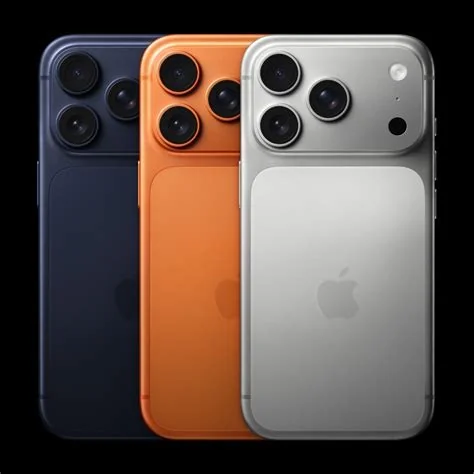
Apple’s iPhone 17 Pro Max is currently the most traded‑in device on the company’s program, thanks to aggressive retailer discounts and generous trade‑in credits. Buyers can pocket up to $600 in credit and still snag $150‑$200 off a new unit, making an upgrade feel cheaper than the original price. This combo of savings and strong performance is fueling the trade‑in frenzy.
Early Upgrade Mindset Fuels Trade‑Ins
Many owners of the top‑tier 1 TB model are hitting the trade‑in button as soon as a rumor of the next iPhone generation surfaces. The allure of financing a newer device outweighs the desire to keep a perfectly functional phone, especially when the resale value remains high.
Why Premium Models Get Resold Quickly
- High upfront cost encourages owners to recoup value early.
- Anticipation of next‑gen features drives a “sell‑now” mentality.
- Trade‑in programs offer a straightforward path to upgrade.
Retail Discounts and Trade‑In Credits Cut Costs
Retailers are stacking promotions on top of Apple’s own trade‑in scheme, creating a price gap that feels too good to ignore. A typical 256 GB iPhone 17 Pro Max bought for $1,199 can now be returned for roughly $600 in credit, while a retailer may shave another $150 off the price of a brand‑new unit.
How the Savings Add Up
- Trade‑in credit: $600 back on a $1,199 purchase.
- Retail discount: $150‑$200 off the base model.
- Net out‑of‑pocket: Around $400, well below the original price.
Performance Comparisons Influence Choices
Beyond price, performance metrics are nudging owners toward a switch. The A‑17 Bionic chip still leads in single‑core benchmarks, while a competing Android flagship edges ahead in multi‑core efficiency and battery endurance. The result is a nuanced decision that hinges on personal workflow and ecosystem preference.
Strengths of the iPhone 17 Pro Max
- Industry‑leading single‑core speed for responsive apps.
- 48 MP main sensor delivers crisp, low‑light photos.
- ProMotion display with per‑pixel tuning offers buttery‑smooth visuals.
What the Trade‑In Wave Means for Apple
Trade‑ins generate a steady stream of refurbished inventory that Apple can resell at a healthy margin. At the same time, the surge signals that a segment of the user base is ready to move on before the typical two‑year upgrade cycle, prompting Apple to reassess its pricing strategy.
Refurbished Inventory Benefits
Returned devices arrive in excellent condition, keeping refurbishment costs low and resale margins high. This cycle helps Apple maintain a premium perception while efficiently clearing stock.
Potential Pricing Adjustments
If trade‑ins keep climbing, Apple may tighten the discount gap between its own refurbishment program and third‑party sellers. Retailers are likely to double down on bundle offers—think AppleCare+ extensions or extra trade‑in bonuses—to stay competitive.
Insider Perspective on the Surge
Industry veteran James Liu notes that the volume of iPhone 17 Pro Max units entering trade‑in programs is unprecedented for a single model year. He explains that aggressive carrier upgrade incentives and Apple’s own credit scheme are the main drivers, and that price elasticity for flagship Apple hardware is higher than many expected.
Takeaway for Prospective Buyers
If you’re eyeing the iPhone 17 Pro Max, now is a sweet spot: combine trade‑in credit with retailer discounts and you’ll pay a fraction of the launch price while still getting top‑tier performance. Don’t let the hype deter you—evaluate the total cost after incentives, and you’ll see why the device remains a compelling purchase.