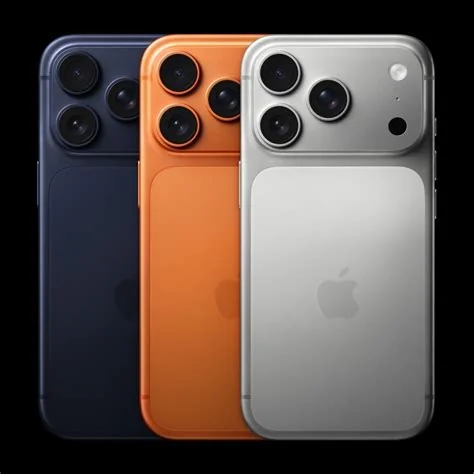
Apple’s iPhone 17 Pro Max is already the most traded‑in smartphone, and the reason is simple: owners can recoup roughly 68% of the original price, turning a premium device into a low‑cost upgrade lever. High resale value, modest design changes, and a price jump combine to push users toward swapping their phones sooner than expected.
Why Users Are Trading In So Quickly
The iPhone 17 Pro Max delivers impressive specs— a 6.9‑inch Super Retina XDR display, a 108 MP triple‑camera system, 5 088 mAh battery, 12 GB RAM, and the A19 Pro chip. Yet, the device feels like a modest refresh of the previous generation, and its launch price nudged past the $1,199 threshold. When the trade‑in market still offers a solid return, many owners decide the marginal upgrades aren’t worth the full price tag.
Hardware Highlights vs Perceived Value
- Display: The Super Retina XDR panel is bright and smooth, but the design remains largely unchanged.
- Camera: While the 108 MP sensor adds technical depth, everyday photo quality only edges out the prior model.
- Battery & Performance: The larger battery and A19 Pro chip provide speed, yet they don’t create a noticeable day‑to‑day difference for most users.
Financial Incentive to Trade In
Trade‑in programs currently reimburse about 68% of the iPhone 17 Pro Max’s MSRP. That means a buyer who paid $1,199 can walk away with roughly $800 in credit toward a newer device. For you, that translates into a low‑cost pathway to the next flagship, especially when the upcoming iPhone promises a design overhaul.
Market Impact of the Early Trade‑In Wave
The surge in trade‑ins reshapes Apple’s revenue dynamics. While the company traditionally counts on users holding devices for two to three years, a shorter lifecycle shifts profit toward services, accessories, and the refurbished market, where Apple can still capture premium margins.
Effect on Apple’s Bottom Line
Shorter device lifespans may dent hardware‑only revenue, but they boost demand for Apple Care, iCloud storage, and other subscription services. Additionally, the influx of high‑grade trade‑ins fuels Apple’s Certified Refurbished program, allowing the company to resell devices at prices that outpace third‑party used‑phone markets.
Signals for Competitors
When Apple’s own flagship experiences rapid turnover, rivals that already rely on aggressive trade‑in incentives—such as Samsung, Google, and emerging Chinese brands—gain insight into consumer price sensitivity. The trend could accelerate a broader shift toward “hardware‑as‑a‑service” models, where frequent device upgrades become the norm.
What Consumers Should Do Now
If you’re considering an upgrade, the current trade‑in environment offers a sweet spot to lower your effective cost. Look for bundled trade‑in offers that can bring the iPhone 17 Pro Max’s price below $1,100, and weigh whether the upcoming iPhone’s promised features justify swapping now.
Conversely, if you’re happy with your current device, you can still benefit by holding onto it a bit longer—trade‑in values typically decline over time, so timing the resale can maximize your return.
Outlook for Apple’s Upgrade Cycle
Apple may need to inject more disruptive features—such as a foldable screen, a breakthrough camera sensor, or a bold pricing strategy—to encourage longer device retention. Until then, the iPhone 17 Pro Max will likely remain at the top of trade‑in charts, serving both as a revenue generator for Apple’s services and as a catalyst for a faster‑moving hardware market.