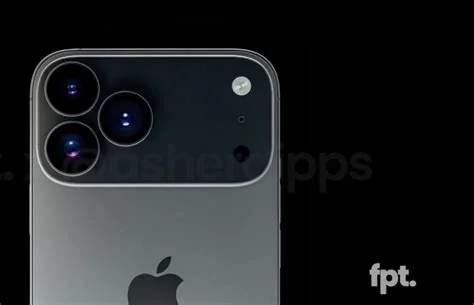
Apple’s iPhone 17 Pro Max is already the most traded‑in device just days after launch, as buyers chase lower prices and flexible financing. The premium handset’s steep upfront cost and rapid rollout of carrier payment plans are prompting owners to swap it quickly, creating a lively secondary market where you can snag a near‑new phone for less.
Why the iPhone 17 Pro Max Is Flooding Trade‑In Programs
Early adopters are hitting the trade‑in counters faster than Apple ever anticipated. The combination of a high launch price and the allure of newer rumors makes the flagship feel like a short‑term investment rather than a long‑term possession. As a result, resale platforms see a steady stream of pristine units, driving up the volume of trade‑ins.
How Pricing and Financing Influence Quick Resale
The iPhone 17 Pro Max starts at a premium price point, which can strain even enthusiastic fans’ budgets. At the same time, carriers are offering aggressive financing schemes that let you defer payments. While these plans lower the immediate outlay, they also encourage users to upgrade again as soon as a fresh model is hinted at, feeding the trade‑in cycle.
Upfront Purchase vs. Carrier Plans
- Pay in full: You own the device outright, avoid interest, but tie up cash.
- Carrier financing: Smaller monthly bills, possible promotional discounts, but you may be locked into a contract.
- Hybrid options: Some retailers combine a modest down payment with a short‑term installment plan, giving you flexibility without a long commitment.
What the Secondary Market Means for You
Because trade‑ins are abundant, resale sites can offer the iPhone 17 Pro Max at prices just below Apple’s list price. This creates an opportunity to purchase a near‑new device without paying the full premium. However, the rapid turnover means you’ll need to act quickly and verify the seller’s reputation to avoid pitfalls.
Impact on Apple’s Refurbishment Ecosystem
The influx of high‑grade trade‑ins fuels Apple’s certified refurbishment program. More returned units translate into a larger inventory of like‑new phones that Apple can resell with a warranty, helping the company recoup some of the initial price dip. At the same time, refurbishers must scale inspection and quality‑control processes to keep up with the volume.
Practical Tips for Scoring the Best Deal
- Monitor reputable resale platforms daily; prices can shift as new trade‑ins hit the market.
- Consider buying unlocked and paying upfront if you have the cash—it eliminates interest and contract restrictions.
- If you opt for carrier financing, read the fine print to ensure there are no hidden fees that outweigh the discount.
- Check the device’s condition reports and warranty eligibility before finalizing any purchase.
- Keep an eye on Apple’s own refurbished store; they often list the same model at competitive rates with official support.