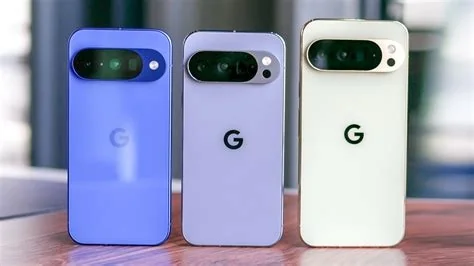
The Google Pixel 10a delivers flagship‑level performance at a $499 price point, thanks to the same Tensor G5 processor found in the Pixel 10. It offers a 6.3‑inch display, a dual‑camera system with 12 MP main and ultra‑wide lenses, and up to five years of Android updates, making it a solid choice for anyone seeking premium features without the premium cost.
Tensor G5 Powers the Pixel 10a
The heart of the Pixel 10a is the Tensor G5 chip, the same silicon that runs Google’s flagship. This means you get on‑device AI for photo enhancement, voice recognition, and security without a noticeable slowdown. The processor’s neural engine handles real‑time ML tasks, so apps that rely on AI run smoothly even on a mid‑range device.
Camera System Matches Flagship Quality
Both the main and ultra‑wide lenses are 12 MP, mirroring the Pixel 10’s hardware. Combined with Google’s computational photography software, you’ll see crisp low‑light shots, accurate colors, and reliable portrait mode. The only difference is a few extra HDR+ tweaks reserved for the flagship, but everyday users won’t notice a gap.
Design, Materials, and Charging Options
The Pixel 10a uses a polycarbonate back that feels light and resists scratches, while the Pixel 10 sports a glass back. This choice makes the 10a more rugged for daily drops. It drops magnetic charging in favor of a traditional USB‑C port, which some may miss, but the simpler design keeps the price down.
Battery Life for a Full Work Week
Google claims the Pixel 10a can last up to 120 hours on moderate use, which translates to comfortably getting through a typical work week on a single charge. The battery size is smaller than the flagship’s, but the efficient Tensor G5 and software optimizations keep endurance impressive.
Pricing, Value, and Competition
At $499, the Pixel 10a sits in the sweet spot for budget‑conscious buyers who still want a capable camera and long‑term software support. It competes directly with Samsung’s Galaxy A series and Apple’s iPhone SE, offering a pure Android experience and guaranteed updates for at least five years.
Why the Pixel 10a Matters Now
Google’s move to place flagship‑grade silicon in a mid‑range phone signals that premium performance is no longer exclusive to high‑end devices. For developers, this expands the audience for on‑device machine‑learning models. For you, it means access to the latest AI features without paying flagship prices, narrowing the gap between budget and premium smartphones.