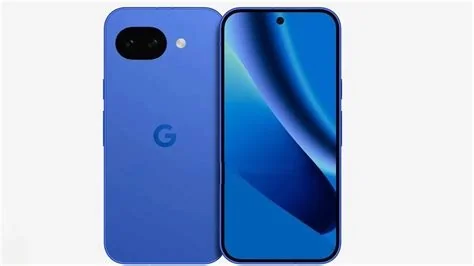
Google’s Pixel 10a arrives at a steady $499, offering a brighter 6.1‑inch OLED display, 30 W fast‑charging, and new AI‑driven camera tweaks. The device keeps the Tensor G4 processor, but leverages it for faster HDR+ processing and on‑device ML tasks. It also adds satellite emergency messaging, making it a compelling mid‑range choice for you.
Design Refresh and Build Quality
The new model sports a flush camera housing that sits level with the back panel, eliminating the protruding lenses of the previous generation. This sleeker look reduces the chance of the camera module snagging on pockets or backpacks, giving the phone a more premium feel without raising the price.
Performance and AI Enhancements
Tensor G4 Chip and On‑Device AI
Google sticks with the Tensor G4, the same silicon that powered the Pixel 9a. While it isn’t the newest chipset, it still delivers solid AI performance. The phone now runs “AI‑enhanced” photo processing, using the Tensor’s neural cores for quicker HDR+ rendering and real‑time scene detection. You’ll notice smoother low‑light shots and faster edits without relying on the cloud.
Display and Battery Improvements
The 6.1‑inch OLED panel gets a brightness bump of roughly 200 nits, making outdoor viewing far easier. Battery charging jumps from 18 W to 30 W, cutting the time to reach 50 % down to about half of what the 9a required. Early hands‑on tests suggest a full charge in under two hours.
Safety Feature: Satellite Emergency Support
Satellite SOS messaging, previously limited to Google’s flagship line, now appears on the Pixel 10a. In regions where the service is supported, you can send an emergency signal even when cellular networks are down—an addition that’s especially useful for travelers and outdoor enthusiasts.
Pricing, Availability, and Competitor Comparison
In the United States, the base 8 GB/128 GB model retails for $499, matching the price of its predecessor. Competing mid‑range devices such as Samsung’s Galaxy A54, OnePlus Nord 2T, and Xiaomi’s Redmi Note 13 Pro all target similar budgets, but the Pixel’s stock Android experience, timely updates, and AI‑driven camera suite give it a distinct edge.
Pros and Cons for Everyday Use
- Pros: Brighter display, 30 W fast charging, AI‑enhanced camera, satellite SOS, clean Android UI with fast updates.
- Cons: Tensor G4 lags behind newer Snapdragon 7‑series chips in raw performance, and the screen remains at a 60 Hz refresh rate, which feels slower than rivals offering 90 Hz or 120 Hz panels.
Developer Insight on AI Capabilities
Jaya Patel, a senior Android developer, says the Pixel 10a’s AI upgrades are “the most compelling upgrade for us.” She notes that Tensor‑accelerated on‑device machine‑learning models now run up to 30 % faster, cutting latency in apps that rely on real‑time image analysis. “If you’re building AI‑heavy features, the 10a offers a sweet spot—affordable hardware that still lets you push advanced models without forcing users onto a high‑end device,” she explains.
Final Verdict
The Pixel 10a is a solid, incremental evolution of Google’s A‑Series. It doesn’t rewrite the rulebook, but the brighter screen, faster charge, AI tweaks, and satellite safety features make it a well‑rounded choice for anyone who values a clean Android experience and reliable updates at a $499 price point. If you prioritize raw gaming performance or a high‑refresh‑rate display, you might look elsewhere; otherwise, the 10a delivers good value for everyday use.