
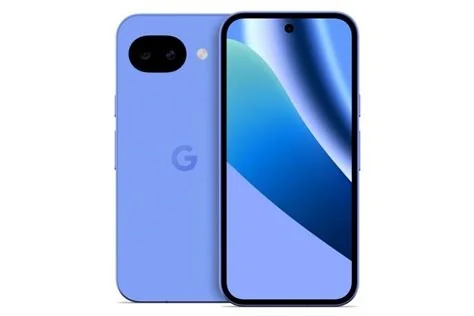
The Google Pixel 10a packs the flagship‑grade Tensor G2 processor, a 6.3‑inch OLED display, and a flat‑back camera bar into a $499 package, delivering on‑device AI tools like real‑time translation and Magic Eraser without needing a data connection. It’s designed for users who want premium photography and AI performance without the high‑end price tag.
Key Specs and Pricing
Google positions the Pixel 10a between the $399 Pixel 7a and the $599 Pixel 7 Pro, offering a sweet spot for budget‑conscious shoppers. The phone ships globally, including Japan, and starts shipping in the U.S. in early March. You’ll find the price includes the Tensor G2 chip, a 6.3‑inch OLED screen, and a suite of AI‑driven features previously reserved for higher‑end models.
Design and Build
The design echoes the Pixel 9a but refines the back panel with a flush camera module that creates a completely flat surface. This subtle upgrade not only looks sleek but also slides easily into pockets, a detail Google highlighted in its launch copy. The rounded edges and modest dimensions keep the phone comfortable for one‑hand use.
Tensor G2 Chip and AI Features
Under the hood, the Pixel 10a runs on the same Tensor G2 silicon that powers the Pixel 8 series, unlocking real‑time translation, on‑device voice recognition, and Magic Eraser photo‑enhancement. Because the AI processing happens on the device, you can edit images and translate speech without a data connection, preserving privacy and speed. These capabilities bring flagship‑level intelligence to a sub‑$500 phone.
Camera System and Flat Back
The flat‑back camera bar houses a refined sensor that delivers Pixel‑grade photography while staying low‑profile. The design makes it easier to attach accessories such as clip‑on lenses, and the lack of a protruding lens housing reduces the chance of snagging on clothing. Users who value both image quality and a sleek silhouette will appreciate this balance.
Display Improvements
The 6.3‑inch OLED panel offers higher brightness and better color accuracy than its predecessor, making outdoor viewing more comfortable. Although it’s still an OLED rather than an LCD, the upgrade provides deeper blacks and richer contrast, which benefits streaming and gaming alike. If you spend a lot of time on the go, you’ll notice the clearer visuals right away.
Cross‑Platform File Sharing
Google introduces an AirDrop‑like feature that lets you share files across Android and iOS devices without third‑party apps. This first‑time inclusion in the A‑series aims to smooth the friction many users experience when swapping photos or documents between platforms. You can now transfer files quickly, turning the Pixel 10a into a more versatile hub for everyday tasks.
Why the Pixel 10a Matters
By cramming the Tensor G2 and a refined camera system into a $499 chassis, Google challenges Samsung’s Galaxy A‑series and Apple’s iPhone SE line on both performance and price. The device demonstrates that AI‑first smartphones can be affordable, pushing the industry toward more inclusive tech. If sales hold strong, the Pixel 10a could reshape how manufacturers approach mid‑range devices.
Developer Insight
Mobile developers are excited about the affordable access to on‑device machine‑learning models. One developer notes that the Tensor G2 in a $500 phone “opens up a lot of possibilities” for testing AI‑enhanced apps that real users can actually afford. The flat camera bar also simplifies mounting accessories, while the new file‑sharing feature streamlines collaboration with iOS colleagues.
Final Verdict
The Pixel 10a delivers a well‑rounded package that balances price, performance, and polish. It isn’t a radical redesign, but it refines the formula that made the 9a successful, giving you flagship‑grade AI and photography without the flagship price. If you’ve been waiting for a Google phone that feels premium yet stays under $500, the Pixel 10a finally hits that sweet spot.


