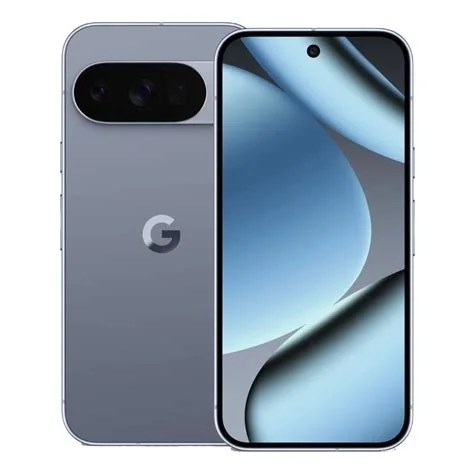
Google’s Pixel 10 Pro XL delivers a massive 6.9‑inch LTPO OLED screen, a 50 MP triple‑camera system, and the AI‑focused Tensor G5 chip, all at a price that undercuts Samsung’s S26 Ultra and Apple’s iPhone 17. With on‑device ML, three‑year OS updates, and solid battery life, the Pixel aims to be the go‑to flagship for AI‑centric users.
What’s in the Box?
The Pixel 10 Pro XL is the largest of the new lineup. It sports a 6.9‑inch LTPO OLED display with a 120 Hz refresh rate, a triple‑camera stack anchored by a 50 MP main sensor, and the brand‑new Tensor G5 SoC. The Tensor G5, Google’s third‑generation AI‑centric chipset, accelerates on‑device machine learning for tasks such as real‑time translation and HDR+ photo processing. The battery packs 5,200 mAh and supports fast charging that can reach 80 % in just 30 minutes.
The standard Pixel 10 trims the specs down to a 5.8‑inch display, a 48 MP main camera, and a 4,800 mAh battery, while still running the Tensor G5. The Pixel 10 Pro sits in the middle with a 6.5‑inch screen, a 48 MP triple‑camera system, and a 4,900 mAh battery. All three models ship with Android 14, which leans heavily on AI for predictive text, adaptive brightness, and a revamped privacy dashboard. For developers, the on‑device Tensor Edge TPU opens doors to low‑latency ML workloads without ever touching the cloud.
How It Stacks Up Against the Competition
Samsung’s flagship S26 Ultra offers a 6.8‑inch Dynamic AMOLED panel, a 200 MP main sensor, and the Snapdragon 8 Gen 3 processor. Apple’s iPhone 17 Pro Max counters with a 6.7‑inch Super Retina XDR display, an A18 Bionic chip, and a 48 MP triple‑camera array.
On paper, the Tensor G5 trails the Snapdragon 8 Gen 3 in raw benchmark scores, but Google’s AI optimizations narrow the gap in everyday use. Reviewers have praised the Pixel’s Night Sight and Magic Eraser tools, now running entirely on‑device thanks to the Tensor G5. Battery life remains a weak spot: the S26 Ultra’s 5,000 mAh cell and Apple’s 4,800 mAh pack both outlast the Pixel’s 5,200 mAh under heavy gaming loads.
Price‑wise, the Pixel 10 Pro XL lands around ₹1,20,000, while the S26 Ultra starts north of ₹1,30,000 and the iPhone 17 Pro Max hovers around ₹1,50,000 in India. For budget‑conscious power users, the Pixel line offers a compelling value proposition—especially when you factor in Google’s promise of three years of OS updates and five years of security patches.
Why Google’s AI Push Matters
Google isn’t just selling a phone; it’s selling a platform where AI lives on the silicon. The Tensor G5 brings a dedicated Vision Processing Unit (VPU) and a Tensor Processing Core (TPC) that handle everything from real‑time speech translation to on‑device photo editing. For developers, this means you can offload ML models directly onto the handset without draining the main CPU.
In practice, that translates to smoother AR experiences, quicker voice‑to‑text conversion, and less reliance on cloud latency. If you’re building an app that needs instant image classification—say, identifying plant species in a field guide—the Tensor G5 lets you do it on the phone, no server round‑trip required.
Practical Takeaways
- Performance vs. price: The Pixel 10 Pro XL doesn’t win the raw‑speed battle, but its AI‑centric architecture makes everyday tasks feel snappy. If you value camera software over sheer megapixel counts, Google’s computational photography still leads the pack.
- Battery life: Expect a full day of moderate use, but heavy gaming or 5G streaming will push you back to the charger before sunset. Samsung’s larger battery and Apple’s efficient A‑series chip give them a modest edge here.
- Software longevity: Google’s three‑year OS guarantee and five‑year security updates make the Pixel a safe bet for long‑term owners—something many Android flagships lack.
- Ecosystem lock‑in: If you already use Google services (Assistant, Photos, Drive), the Pixel’s deep integration feels seamless. Meanwhile, Samsung’s One UI and Apple’s iOS each have their own loyal followings.
Who Should Care?
If you’re a photographer who lives for Google’s Night Sight, a developer who wants on‑device ML, or a consumer who wants a flagship without the premium price tag of Samsung or Apple, the Pixel 10 Pro XL makes a strong case. Power users who need the absolute best raw performance or the longest battery life might still lean toward the S26 Ultra or iPhone 17 Pro Max.
Bottom Line
Google’s newest flagship line, anchored by the Pixel 10 Pro XL, sends a clear message: AI can be the differentiator in a market saturated with raw horsepower. By bundling Tensor G5’s on‑device intelligence with a respectable camera suite and a competitive price point, Google is nudging the premium segment toward a more software‑first future.
Whether you end up choosing a Pixel, a Samsung, or an iPhone, the battle for the flagship crown now hinges as much on silicon‑level AI as on screen size or chip clock speeds. And for anyone who’s been waiting for a “real” AI phone, the Pixel 10 Pro XL finally feels like the answer.