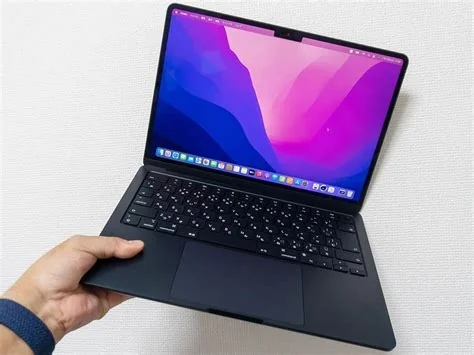
Apple’s upcoming MacBook Air will ship with the brand‑new M5 processor built on a 3 nm process, promising a sizable leap in CPU speed, GPU bandwidth and on‑device AI performance. The fan‑less chassis stays thin, while power efficiency improves enough to extend battery life. If you’re weighing a new laptop, the M5 Air aims to close the gap with higher‑end models.
What’s New with the M5 Chip
The M5 marks Apple’s first 3 nm silicon for a fan‑less notebook. By shrinking the transistor size, Apple squeezes more cores into the same die, delivering higher raw compute while keeping power draw low. This efficiency boost translates into faster app launches and smoother multitasking without sacrificing the Air’s legendary portability.
CPU and GPU Improvements
CPU performance jumps roughly 20‑25% over the M2, thanks to higher clock speeds and an optimized micro‑architecture. The integrated GPU gains additional execution units, raising graphics throughput by about 30%. For everyday tasks like web browsing or document editing you’ll notice quicker response times, and creative apps feel noticeably snappier.
Dedicated AI Acceleration
Apple has upgraded the Neural Engine to handle more concurrent inference tasks. Real‑time photo enhancements, voice‑to‑text transcription and AI‑driven filters run with less latency. If you rely on AI‑heavy workflows—such as generative fill in Photoshop or smart composition in Logic Pro—the M5’s accelerator will feel like a genuine productivity boost.
Design and Color Options
The Air retains its thin, wedge‑shaped silhouette, but Apple is rumored to experiment with fresh color finishes beyond the classic silver, space gray, and gold. While exact shades haven’t been confirmed, the potential for more vibrant options could appeal to users who want a laptop that matches their personal style.
Pricing Expectations
Based on Apple’s recent pricing trends, the base M5 Air is likely to launch around $1,200 USD, mirroring the current model’s price point. A higher‑spec configuration with 16 GB of unified memory and a larger SSD could sit near $1,800. These figures give you a ballpark to compare against existing MacBook Airs and competing ultrabooks.
Who Should Upgrade?
If you’re still using an M1‑based Air and you find it lagging during heavy AI‑centric tasks, the M5’s speed and neural engine will feel like a noticeable upgrade. Students and freelancers who value long battery life will also benefit from the improved efficiency. However, users whose workloads stay light may find the current Air more than sufficient.
Comparing Air and Pro Models
The Pro line continues to offer higher core counts and active cooling, which remain advantageous for sustained 4K video rendering or large software builds. The new Air narrows the performance gap, but for truly demanding professional work the Pro still holds the edge. Decide based on how often you push your laptop to its thermal limits.
Real‑World Perspective
A freelance graphic designer who recently upgraded from an M2 Air says the current model “handles most client work—layout, color correction, and light animation—without breaking a sweat, but the GPU throttles during longer After Effects renders.” She added, “If Apple can keep the Air fan‑less and still push the Neural Engine hard enough for real‑time AI filters, I’d stay in the Air ecosystem instead of moving to a Pro.”
Bottom Line
The M5‑powered MacBook Air promises more than a modest bump; it aims to redefine what a fan‑less ultrabook can achieve. Faster CPU/GPU performance, a stronger Neural Engine and potential new color options make it a compelling choice for anyone seeking a portable, AI‑ready laptop. Weigh the upgrade against your current needs, and you’ll know whether the M5 Air is the right next step.