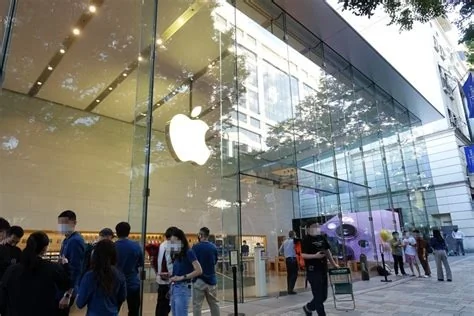
Apple is set to unveil five new devices in a three‑day March event, including a low‑cost MacBook, iPhone 17e powered by the upcoming A19 chip, an M5‑based MacBook Pro or Air, an M4 iPad Air, and a foldable iPhone. These launches aim to broaden its lineup, boost on‑device AI performance, and test flexible‑screen technology.
Why Apple Is Packing Five Announcements Into Three Days
By clustering multiple releases into a single, intensive window, Apple can generate a concentrated media wave and give developers a clear set of new silicon to work with. This approach streamlines API integration and lets hardware teams align testing rigs ahead of the broader 2026 calendar.
Budget MacBook: Expanding the Laptop Portfolio
The rumored low‑price MacBook would mark Apple’s first push beyond its premium‑only laptop tier. A more affordable entry point could attract students and cost‑conscious professionals who currently gravitate toward Windows ultrabooks.
Key Highlights
- Price focus: Positioned to undercut premium models while retaining macOS benefits.
- Performance target: Likely built on a streamlined processor that balances efficiency and everyday tasks.
- Design intent: Thin chassis, lightweight build, and a Retina display to keep the Apple experience intact.
If you’re considering a new laptop, this budget MacBook could become the sweet spot between price and performance.
iPhone 17e: A19 Chip and Affordable Flagship Experience
The iPhone 17e is expected to debut Apple’s next‑generation A19 processor, promising a noticeable bump in on‑device AI tasks while staying within the familiar MagSafe ecosystem.
AI‑On‑Device Performance
- Enhanced neural engine: Faster inference for photo and video AI features.
- MagSafe compatibility: Keeps the convenience of wireless charging and accessories.
- Price positioning: The “e” suffix signals a more budget‑friendly variant of the flagship line.
For you who want flagship capabilities without the top‑tier price tag, the iPhone 17e could hit the mark.
M5‑Powered MacBook Pro or Air: Next‑Gen Silicon Power
Apple’s upcoming M5 chip is set to push performance‑per‑watt metrics even further, targeting creative professionals who rely on GPU‑intensive workloads.
What M5 Brings
- GPU boost: Higher graphics throughput for video editing and 3D rendering.
- Power efficiency: Longer battery life despite the extra horsepower.
- Form‑factor flexibility: Available in both Pro and Air designs to suit different user preferences.
You’ll appreciate the extra headroom for demanding apps without sacrificing portability.
M4 iPad Air: Bridging the Tablet Gap
The M4‑based iPad Air would sit between the current iPad Air and iPad Pro, offering a middle ground of power and price for users who need more punch than the base model but don’t require full Pro specs.
Target Use Cases
- Education: Smooth performance for digital textbooks and classroom apps.
- Enterprise: Capable of handling light‑to‑moderate productivity tasks.
- Creative hobbyists: Sufficient GPU for sketching and light video work.
Foldable iPhone: Introducing a New Form Factor
Apple’s most headline‑grabbing rumor is a 7.8‑inch foldable iPhone that folds into a book‑like shape, blending the compactness of a phone with a mini‑tablet experience.
Feature Snapshot
- Foldable display: Innovative hinge design for a flexible screen.
- Touch ID integration: Keeps a familiar biometric entry while accommodating the foldable chassis.
- Premium pricing: Projected around ¥300,000 (≈ $2,200), positioning it as a high‑end device.
If you’re curious about flexible screens, this model could set a new benchmark for the market.
Implications for Developers, Designers, and Competitors
Software teams will gain early access to A19 and M5 silicon, allowing them to optimise apps for the next wave of on‑device AI and graphics performance. Hardware designers must adapt to new form factors, especially the foldable iPhone, which will demand fresh durability testing and hinge engineering.
Competitors may feel pressure to accelerate their own roadmaps, especially if Apple’s budget MacBook and iPhone 17e deliver compelling price‑performance ratios. Meanwhile, the foldable iPhone could force rivals to rethink their flexible‑display strategies.
Bottom Line
Apple appears poised to kick off 2026 with a concentrated burst of hardware announcements, spanning entry‑level laptops, mid‑tier tablets, a new iPhone generation, and a pioneering foldable handset. Whether every rumor materialises or not, the three‑day sprint signals a strategic shift that could reshape Apple’s product lineup and set the tone for the tech year ahead.