
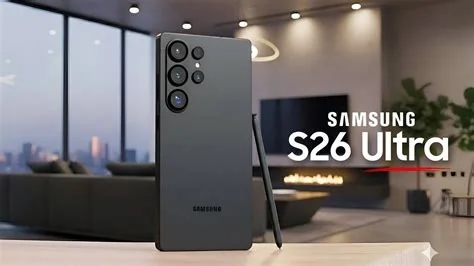
Samsung just unveiled its Galaxy S26 lineup—Ultra, Plus, and standard—delivering AI‑first flagship experiences across three price points. The Ultra packs a 200 MP sensor and on‑device AI portrait mode, the Plus balances 108 MP optics with a longer battery, and the base S26 offers a solid 50 MP camera plus the full AI suite, all running Android 15.
Unified Design, Divergent Power
All three phones share a sleek 6.8‑inch Dynamic AMOLED 2X2 display, Gorilla Glass Victus 2 front and back, and a minimalist rear‑camera module that looks like a tiny satellite dish. Samsung kept the contour cut, matte‑finished frame, and color palette consistent—from Cobalt Violet to Sky Blue 23—while letting the hardware diverge sharply.
- Galaxy S26 Ultra: 12 GB RAM, Exynos 2400 (or Snapdragon 8 Gen 3 in the US), 5,000 mAh battery, and a quad‑camera stack led by a 200 MP main sensor. Starts at $1,299.
- Galaxy S26 Plus: 12 GB RAM, 4,800 mAh battery, 108 MP primary lens, and the same AI suite. Priced around $999.
- Galaxy S26: 8 GB RAM, 4,500 mAh battery, 50 MP main shooter, and AI features across the board. Starts at $799.
Samsung brands the series around “the most intuitive AI experience” it’s ever delivered. The on‑device engine, Galaxy AI Studio, handles real‑time scene analysis, adaptive UI tweaks, and a new “Smart Capture” mode that learns your shooting style over time.
AI‑Driven Camera Highlights
Ultra’s Dynamic Portrait Mode
The Ultra’s AI‑driven Dynamic Portrait mode leverages its 200 MP sensor and on‑device neural processing to separate subjects from backgrounds with precision usually reserved for dedicated portrait lenses. The result is a bokeh effect that adapts on the fly, even when you move around the frame. No extra toggles, no lag—just a smooth transition from a regular shot to a professionally blurred portrait.
If you love photography, this mode feels like a natural extension of the camera app rather than a gimmick. The AI also powers “Predictive UI,” which anticipates which apps you’ll open next and rearranges shortcuts accordingly, giving daily interactions a subtle but noticeable boost.
Plus and Standard Models
The S26 Plus carries the same AI suite, so its Dynamic Portrait works at 108 MP. Battery life gets a modest edge, lasting about eight hours of screen‑on time under mixed usage, compared with roughly seven hours on the Ultra under the same load.
The base S26 still offers the AI features, but its 50 MP sensor means low‑light performance isn’t as jaw‑dropping. Still, 8 GB of RAM, a crisp 120 Hz refresh rate, and the full AI toolkit keep it competitive in the crowded mid‑range flagship market.
The Bigger Picture: AI as a Differentiator
Samsung’s push for AI isn’t new—Bixby has been around for years—but the depth of on‑device integration is. By keeping processing local, Samsung sidesteps privacy concerns while delivering AI‑enhanced experiences that feel instant.
If the Ultra’s dynamic portrait truly sets a new benchmark, competitors may feel pressure to up their on‑device AI game. Apple’s computational photography has long been a selling point; a Samsung offering that can match or exceed it in real‑time processing could reshape flagship battles for the year.
What Buyers Should Weigh
Choosing between the three models boils down to three questions:
- Do you need the absolute best camera? If you’re a photography enthusiast, the Ultra’s 200 MP sensor and AI portrait mode make a compelling case.
- Is price a bigger factor than raw specs? The Plus offers a sweet spot—still premium, but $300 less than the Ultra.
- Do you want a flagship experience without the flagship price? The base S26 gives you the AI suite, a solid screen, and a respectable camera for under $800.
All three phones launch with Android 15, Samsung’s One UI 7, and a promised three‑year OS update track, a quiet but important differentiator for many consumers.
Final Thoughts
Samsung’s Galaxy S26 series arrives as a polished evolution rather than a disruptive overhaul. The Ultra’s AI‑driven portrait mode may be the headline act, yet the broader AI integration across all three models signals a strategic shift toward on‑device intelligence. Whether Samsung’s AI push keeps it ahead of the pack—or whether rivals catch up—will depend on how you value real‑time AI features in everyday use.


