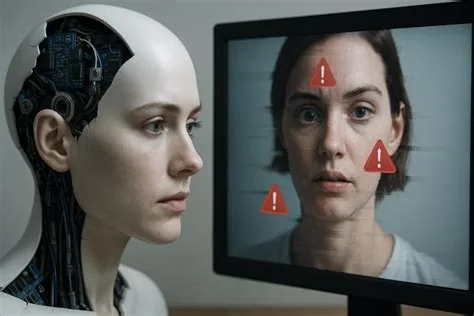
The rapid proliferation of AI-generated content has sparked concerns about misinformation, prompting social media platforms and regulators to take action. You might be wondering what’s being done to address this issue. Recently, platform X announced a new policy that will suspend creators from its revenue-sharing program for 90 days if they post AI-generated war footage without clearly disclosing that the content was created using artificial intelligence.
What Does This Mean for Creators and Users?
This move is part of a broader effort to combat misinformation, particularly in the context of armed conflicts and elections. According to X’s head of product, the rule aims to maintain authenticity of content on Timeline during wartime events, when misleading media can spread quickly. “During times of war, it is critical that people have access to authentic information on the ground,” they wrote. “With today’s AI technologies, it is trivial to create content that can mislead people.” As a user, you should be aware of the potential risks and take steps to critically evaluate the content you consume online.
Consequences of Not Disclosing AI-Generated Content
Simply put, it means that anyone posting AI-generated content related to armed conflicts must clearly label it as such. Failure to do so could result in a 90-day suspension from X’s revenue-sharing program. And it’s not just a one-time mistake – accounts that repeatedly post undisclosed AI-generated conflict videos may face permanent removal from X’s creator revenue-sharing program.
The Issue of AI-Generated Misinformation
The issue of AI-generated misinformation isn’t limited to social media platforms, however. In some countries, generative AI has been used to create and spread misleading images and political content, including fake images of natural disasters and AI-generated attack ads. This has led to public confusion, misinformation during national crises, and potential harm to election integrity.
Evolving AI-Driven Propaganda
As AI-driven propaganda evolves, experts are sounding the alarm. Synthetic media is growing harder to detect, making it increasingly difficult to distinguish between what’s real and what’s not. And with the rise of AI-generated content, it’s becoming clear that current regulations are lagging behind.
Efforts to Address AI-Generated Misinformation
So, what’s being done to address this issue? In addition to X’s new policy, other social media platforms are also taking steps to combat misinformation. For example, some platforms are introducing labels or warnings for AI-generated content, while others are implementing more robust moderation policies.
What Can You Do?
You can take several steps to protect yourself from AI-generated misinformation:
- Be cautious of sensational or provocative content, especially if it’s related to armed conflicts or elections.
- Verify information through multiple sources before accepting it as true.
- Report suspicious or misleading content to platform moderators.
- Support platforms that prioritize transparency and accountability in their content moderation policies.
Collaborative Effort Required
Ultimately, the fight against AI-generated misinformation will require a collaborative effort from platforms, regulators, and users. By working together, we can ensure that AI-generated content is used responsibly and that the integrity of online information is protected.