The US military has started using Anthropic’s Claude AI model in its recent strikes on Iran, sparking concerns over ethics and accountability. You’re likely wondering what led to this deployment and what’s behind the controversy. The Pentagon has not disclosed exactly how the AI tool is being used, but it’s reportedly being used for intelligence, targeting, and synthesizing documents.
Background of the Deployment
The US military’s use of Claude AI comes as a surprise, given a government-wide ban on the technology announced after a dispute between the Pentagon and Anthropic over the use of AI in military operations. Anthropic CEO Dario Amodei had sought to draw “red lines” in the government’s use of its technology, citing concerns that it could be used for mass surveillance on Americans or to power fully autonomous weapons.
How Claude AI Works
Claude AI is a large language model (LLM) capable of processing and analyzing vast amounts of data. In the context of military operations, this technology can be used to quickly sift through intelligence reports, identify patterns, and provide critical insights to decision-makers. You might be wondering, is this really a good idea? The use of AI in military operations raises important questions about accountability, transparency, and the potential for unintended consequences.
Controversy and Concerns
The dispute between Anthropic and the Pentagon has sparked a heated debate about the ethics of AI in warfare. The Pentagon, however, demanded the ability to use Claude for “all lawful purposes,” arguing that Anthropic’s concerns were not material due to existing laws and internal policies. As Amodei pointed out, “we believe that crossing those lines is contrary to American values, and we wanted to stand up for American values.”
Implications and Future Directions
As the use of AI in military operations becomes more widespread, it’s clear that we need to have a more nuanced conversation about its role in modern warfare. Can we trust our military to use this technology responsibly, or do we need more stringent safeguards in place? And what are the implications for civilians caught in the crossfire? For military leaders and policymakers, the deployment of AI in operations like the Iran strikes presents a complex set of challenges.
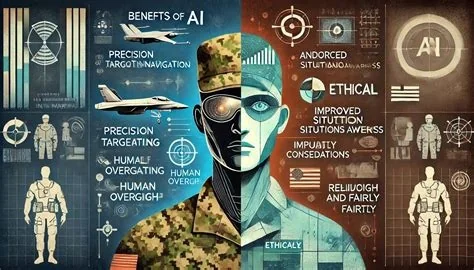
- On one hand, AI can provide critical advantages in terms of speed and efficiency.
- On the other, it raises difficult questions about accountability and the potential for unintended consequences.
Prioritizing Transparency and Oversight
As we move forward, it’s essential that we prioritize transparency and oversight in the development and deployment of AI in military operations. This includes establishing clear guidelines and safeguards to prevent the misuse of AI, as well as investing in research and development to improve our understanding of AI’s role in modern warfare. Ultimately, the use of AI in military operations is a double-edged sword, and you should consider both its potential benefits and risks.
By being aware of the potential risks and benefits, we can work towards responsible innovation and ensure that AI is used in a way that aligns with our values and promotes human well-being.