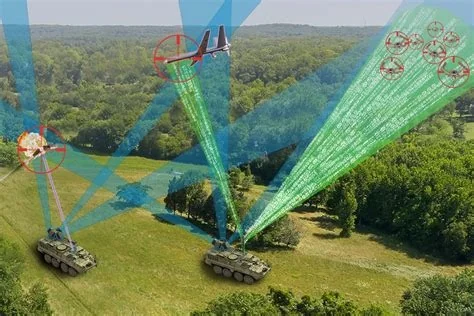
The US military has taken a significant step into autonomous warfare, deploying AI-enabled LUCAS suicide drones in combat. These drones, reverse-engineered from Iran’s Shahed-136, were used for the first time in large-scale strikes. You’re likely wondering what this means for the future of warfare. The use of AI-enabled drones raises questions about accountability and respect for human rights.
Autonomous Warfare and AI-Enabled Drones
The LUCAS drone is an autonomous or semi-autonomous unmanned aerial vehicle (UAV) used for attack missions. Its deployment in combat directly leads to harm, including injury or death, and destruction. You might be concerned about the growing role of AI in military conflicts and how it will impact the future of warfare.
How Does it Work?
The US military’s Task Force Scorpion Strike deployed these autonomous, low-cost drones in combat, marking a significant shift towards autonomous warfare. The answer lies in their effectiveness and efficiency. These drones offer a low-cost and high-benefit solution for military operations, making them an attractive option for militaries. But, what are the potential risks and unintended consequences of using AI in warfare?
Risks and Implications
As we continue to develop and deploy AI systems in military contexts, it’s essential to consider the implications and ensure that we’re prioritizing human rights and accountability. The use of AI-enabled drones in combat is a complex issue, and there’s no easy answer. But one thing is certain: the future of warfare will be shaped by AI, and it’s up to you to consider how this technology will impact society.
Prioritizing Transparency and Accountability
As a result, it’s crucial that we prioritize transparency, accountability, and human rights as we continue to develop and deploy AI systems in military contexts. You should be aware of the ongoing discussions about the ethics and implications of AI in warfare. By doing so, we can ensure that we’re using this technology to create a safer and more secure future for all.
The Future of Warfare
The question on everyone’s mind is: what’s next? Will we see more widespread adoption of AI-enabled drones in military conflicts? The intersection of AI and warfare is a complex and rapidly evolving space that demands your attention and scrutiny. As we move forward, it’s essential to prioritize ongoing discussions about the ethics and implications of AI in warfare.
- The use of AI-enabled drones in combat marks a significant shift towards autonomous warfare.
- The future of warfare will be shaped by AI.
- It’s up to us to consider the implications and ensure that we’re prioritizing human rights and accountability.
By considering these factors, you can better understand the impact of AI on warfare and the importance of responsible development and deployment.