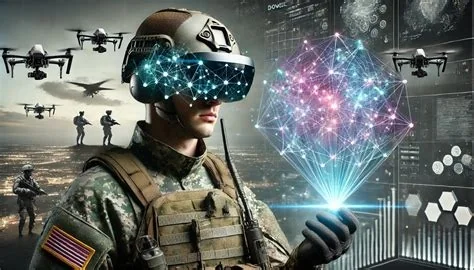
The US military reportedly used Anthropic’s Claude AI model to inform its recent attack on Iran. You might be wondering how this happened, especially since President Donald Trump had just announced a ban on using the company’s AI tools. According to sources, the military utilized Claude for intelligence gathering and targeting purposes, highlighting the increasing importance of AI in modern military operations.
Background on the Deployment
On Friday, Trump announced that all federal agencies would immediately stop using Claude, denouncing Anthropic as a “Radical Left AI company run by people who have no idea what the real World is all about.” But it seems the military had already planned to deploy the AI model for the impending Iran strike. This move raises questions about the extent of AI’s role in military decision-making and the potential risks associated with it.
Reliance on AI in Warfare
AI models like Claude can process vast amounts of data, identify patterns, and provide critical insights to military personnel. You might be concerned about the implications of relying on AI for life-or-death decisions. Can we trust AI models to make these decisions, or are they just tools for humans to wield? The US military’s use of Claude AI in the Iran strikes highlights the growing trend of AI adoption in the military, with multiple players vying for influence.
Implications of Trump’s Ban
Trump’s criticism of Anthropic came just hours before the Iran attack, raising questions about the timing and motivations behind his statement. Does this indicate a deeper unease about the role of AI in US military operations, or is it simply a case of politics influencing tech decisions? The controversy surrounding Trump’s ban and the military’s use of Claude AI underscores the need for more open discussions about the role of AI in military operations.
Future of AI in Military Operations
- The use of Claude AI in the Iran strikes marks a significant milestone in the integration of AI into warfare.
- As AI continues to play a larger role in military operations, it’s essential to address concerns about accountability, transparency, and the potential risks associated with AI decision-making.
- You should consider the implications of AI adoption in the military and ensure that we’re using these technologies responsibly.
Ultimately, the story of Claude AI’s deployment in the Iran strikes serves as a reminder that AI is no longer just a tool for civilians – it’s a critical component of modern warfare. As we navigate this new landscape, we must prioritize transparency, accountability, and responsible AI development to ensure that these technologies are used for the greater good.