
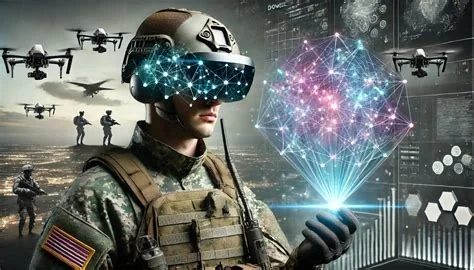
The US military reportedly used Anthropic’s Claude AI model during recent airstrikes on Iran. US Central Command (CENTCOM) in the Middle East employed Claude for critical operational support, including intelligence assessments, target identification, and simulating battle scenarios ahead of and during the strikes.
Background of the Ban
Anthropic CEO Dario Amodei had refused the Pentagon’s demands for unrestricted access to Claude, insisting on safeguards against mass domestic surveillance and fully autonomous weapons. In response, the US Department of War labelled Anthropic a national security risk, directing an immediate halt to its use across federal agencies.
Implications of the Ban
Anthropic has vowed to challenge the “supply chain risk” designation in court, describing it as “legally unsound” and a dangerous precedent for any US company negotiating with the government. You may wonder what this means for the future of AI in military operations.
Integration of AI in Military Operations
The use of Anthropic’s AI in the Iran strikes highlights the deep integration of AI technology into defence workflows. It also raises concerns about the control and oversight of AI systems in military operations. As you consider the implications of this development, it’s essential to examine the context.
Context of the Iran Strikes
- The strikes on Iran occurred amid heightened US-Israel-Iran hostilities.
- Coordinated US-Israeli operations reportedly targeted key sites in Iran following stalled nuclear talks and claimed Iranian support for Hamas.
Future of AI in Military Operations
The incident with Anthropic’s AI serves as a reminder that the intersection of AI, politics, and national security is complex and multifaceted. AI can enhance situational awareness, improve decision-making, and reduce the risk of human error. However, it’s essential that we address the concerns surrounding AI in military operations, including the risk of autonomous weapons and mass domestic surveillance.
Ultimately, the use of Anthropic’s AI in the Iran strikes serves as a wake-up call for policymakers, industry leaders, and the general public. It’s a reminder that the development and deployment of AI technology must be guided by a deep understanding of its implications and a commitment to responsible innovation.
What’s Next?
One question remains: what’s next for AI in military operations? Will we see a shift towards more transparent and accountable AI development? The conversation around AI in military operations has only just begun, and it’s crucial that you’re part of it.


